AUCTORES
Globalize your Research

Review Article | DOI: https://doi.org/10.31579/2641-0419/527
1Investment & Financial Planning Unit, UOB Kay Hian Wealth Advisors Sdn Bhd, Malaysia.
2MSU-UOBKHWA Financial Innovation Centre, Management Science University, Malaysia.
3Faculty of Business and Economics, University of Melbourne, Australia. JEL Classification: E620; E660; O160
*Corresponding Author: Mohd Sedek Jantan, Investment & Financial Planning Unit, UOB Kay Hian Wealth Advisors Sdn Bhd, Malaysia.
Citation: Mohd S. Jantan, Tiong L. Joe, Abdul Aqil, Abdul Rashid, Abdul Halim NA, et al, (2025), Navigating Personal Finance during the Coronavirus Pandemic, J Clinical Cardiology and Cardiovascular Interventions, 8(17); DOI:10.31579/2641-0419/527
Copyright: © 2025, Mohd Sedek Jantan. This is an open access article distributed under the Creative Commons Attribution License, which permits unrestricted use, distribution, and reproduction in any medium, provided the original work is properly cited.
Received: 03 November 2025 | Accepted: 10 December 2025 | Published: 23 December 2025
Keywords: covid-19; fiscal policy; economic growth; financial adviser, personal finance
The spread of the virus creates significant implications, sending shocks to the world’s economy. The COVID-19 pandemic outbreak has forced many businesses to close, leading to an unprecedented disruption in most industry sectors. COVID-19 has required many countries across the globe to implement early quarantine measures as the fundamental disease control tool. The G-Cubed model showed that the low-end pandemic is expected to reduce global GDP around USD 2.4 trillion and a more serious outbreak will reduce the global GDP by over USD 9 trillion, while Envisage model illustrates the impacts of COVID-19 to the economy include macroeconomic, trade, and sectoral output. The six-month moratorium on loan repayments and cash transfers by the government provides Malaysians extra cash on hand to put food on the table, however, as the moratorium ends in September there are concerns on consumers who took the moratorium route. This paper discusses the general impact of COVID-19 (business, economics, and psychology) and the implication to the personal finance.
The coronavirus outbreak has taken the world by complete surprise. The sudden “income shock” that many professionals and business owners have experienced occurred without warning and nobody can be certain how much longer it will endure for. As we switch from fear to a phase of gradual restart and hope for recovery, the questions about personal finances after COVID-19 are stark. As some businesses close or reduce staffing, we are seeing more people across the globe without work struggling to make ends meet. The spread of the virus creates significant implications, sending shocks to the world’s economy. The economy impact was immediate; it disrupted the domestic consumption as consumers cut spending, there were mass cancellations and travel restrictions as well as shifts in healthcare spending.
Section A: The Epidemiology of Coronavirus
Several cases of pneumonia-like diseases (with symptoms such as fever, difficulty in breathing, coughing and invasive lesions on both lungs) with unknown aetiology were first detected in Wuhan City, an emerging business hub located in Hubei Province of China, circa end of December 2019. The novel virus was initially named Wuhan coronavirus or 2019 novel coronavirus (2019—nCov) by the Chinese researchers. The International Committee on Taxonomy of Viruses (ICTV) later named the virus Severe Acute Respiratory Syndrome Coronavirus 2 (SARS-CoV-2) and the disease as Coronavirus Disease 2019 (COVID-19).
Coronaviruses primarily target the respiratory system and cause respiratory and intestinal infections in both animals and humans. This family includes the previous outbreaks of coronaviruses (CoVs) such as the Severe Acute Respiratory Syndrome Coronavirus (SARS-CoV), H5N1 Influenza A, H1N1 Middle East 2009 and Middle East Respiratory Syndrome (MERS-CoV), which cause acute lung injury (ALI) and acute respiratory distress syndrome (ARDS) that lead to pulmonary failure resulting in fatality. The subgroups of the coronavirus family are alpha (α), beta (β), gamma (γ) and delta (δ) coronavirus. The alpha and beta coronaviruses mainly infect mammals while the other two primarily infect birds. The SARS-CoV-2 was reported to be a member of the β group of coronaviruses.
Coronaviruses belong to the Coronaviridae family in the Nidovirales order. The coronavirus features crown-like spikes on the outer surface of the virus, hence the name (corona is derived from Latin word meaning ‘crown’). Coronaviruses are minute in size (65–125 nm in diameter) and contain a single-stranded RNA as a nucleic material, ranging from 26 to 32kbs in length. The SARS-CoV-2 genome contains two untranslated regions (UTRs): 5′-cap structure and 3′-poly-A tail, and a single open reading frame (ORF) encoding a polyprotein. The SARS-CoV-2 genome is ordered by 5′- the viral replicase (ORF 1a and ORF1b)-structural proteins [Spike(S)-Envelope(E)-Membrane(M)- Nucleocapsid(N)]-3′; some genes of accessory proteins, such as ORF 3a, 7, and 8, are inserted in genes of structural protein.

Figure1: Structure of respiratory syndromecausing human coronavirus (Shereen et al., 2020).
The COVID-19 is characterised by fever, cough, fatigue, shortness of breath and pneumonia alongside other respiratory tract symptoms and in many cases, progresses to death. SARS-CoV-2 spreads mainly through respiratory droplets or close contact. Human-to-human transmission can occur mainly by droplets from coughing or sneezing or direct contact. In the later stage of infection, the virus is also detectable in anal swabs suggesting the possibility of oral-fecal route transmission.
As summarized by World Health Organisation (WHO), the symptoms of the COVID-19 infection will appear after an incubation period of 5 to 6 days on average. However, the duration can extend up to 14 days. This is known as the “pre-symptomatic” period where the infected persons can be contagious and therefore will cause transmission before the onset of symptoms. The next transmission is “symptomatic” and this occurs when the individuals have developed signs and symptoms that match well with the COVID-19 virus infection. Symptomatic transmission refers to a transmission from a person while they are experiencing the symptoms. The third type of transmission is “asymptomatic” transmission which refers to a transmission from a person with no developed symptoms.
Approximately 25.2–50.5% SARS-CoV-2 infected patients had one or more underlying diseases including hypertension, diabetes, chronic obstructive pulmonary disease, cardiovascular disease and malignancy. In Malaysia, statistics showed that 80.7% of COVID-19 deaths involved those suffering from chronic illness such as diabetes, hypertension, kidney problem, heart problems and other diseases. Numerous researchers have mentioned that more than 60% of infected people died from COVID-19 and demographics of the deceased were those aged 60 and above in Malaysia, Unites States, China, India and other countries.
The Chest CT examination is an important tool for diagnosis and suspected cases are diagnosed by detecting SARS-CoV-2 and specimens taken from the upper respiratory tract and lower respiratory tract. In regards to the treatment, there are no specific drugs for the infection and many therapies, with preliminary good clinical response, are being tested in clinical trials
| SARS-CoV | MERS-CoV | SARS-cOv-2 | |
| Estimated R0 | 2-5 | <1> | 2.68 (95% CI, 2.48-2.86) |
| Host of virus | Natural host: Chinese horseshoe bats, intermediate host: masked palm civet, and terminal host: humans. | Natural host: bats, intermediate host: dromedary camels, and terminal hosts: humans. | Natural host: bats, intermediate host: pangolins, and terminal hosts: humans. |
| Virus transmission mode | Person‐to‐person transmission through droplets, opportunistic airborne transmission, nosocomial transmission, sporadic zoonotic transmission, aerosol transmission, and fecal‐ oral transmission. | Respiratory transmission, sporadic zoonotic transmission, nosocomial transmission, via aerosols, and limited human‐to‐ human transmission. | Person‐to‐person transmission through respiratory droplets, contact and fomites, zoonotic transmission, nosocomial transmission, fecal‐oral transmission, and aerosol transmission is highly possible. |
| Median incubation period | 4.6 day (95%CI, 3.8‐5.8 d) | 5.2 day (95%CI, 1.9‐14.7 d) | 6.4 day (range,0‐24.0 d) |
| Case‐fatality rate | Worldwide (WHO): 9.6%, mainland China:6.4%, and Hong Kong: 17% | Worldwide(WHO): 34.5% and South Korea: 20.4%. | Wuhan,China: 3% |
Abbreviations: R0, reproductive values; CI, confidence interval; MERS‐CoV, Middle East respiratory syndrome coronavirus; SARS‐CoV, severe acuterespiratory syndrome coronavirus; WHO, World Health Organization. | |||
Table 1: Epidemiological characteristics of SARS‐CoV, MERS‐CoV, and SARS‐CoV‐2 (Wang, Wang, Chen and Qin, 2020).
Section B: The impact of COVID-19
The COVID-19 crisis is a systematic shock to the global economy that has affected all organisations with varying degrees of severity. The COVID-19 pandemic outbreak has forced many businesses to close, leading to an unprecedented disruption in most industry sectors. The International Trade Centre's 2020 SME Competitiveness Outlook reported that the lockdowns in China, the European Union and the United States had the greatest impact on trade and created a negative knock-on effect on developing countries. After almost six months of the WHO declaring COVID-19 a pandemic all of the affected countries implementing variations of the movement control order are now cautiously re-opening their economy. In the past three to six months, retailers, especially small and medium enterprises (SMEs) have faced many short-term challenges. However, successfully navigating these challenges will not guarantee a promising future for businesses.
SMEs in Malaysia, as in most countries around the world, are the engines of the economy. In Malaysia, the SMEs have historically demonstrated strong resilience; recording year-on-year (y-o-y) growth of 6.2% in 2018 (2017: +7.1% y-o-y), outpacing the overall GDP (+4.7% y-o-y) and non-SMEs GDP (+3.8% y-o-y) growth. SMEs also play an important role in job creation. Statistics show that in 2018, SMEs contributed to 66.2% of total employment in Malaysia with the majority segment being generated by the services sector followed by manufacturing, agriculture, construction, mining and quarrying. The COVID-19 pandemic created a great economic casualty to SMEs not just in Malaysia but in every other country as well. In fact, there has been tremendous impact in the Asia-Pacific region where SMEs account for more than 90% of businesses and employ 50% of the workforce. The International Labour Organization (ILO) predicts the equivalent of 195 million job losses due to COVID- 19.
The pandemic affects the SMEs on both the supply and demand side. On the supply side, companies experience a reduction in the supply of labour, due to workers either being unwell or needing to look after their children while schools are closed. As the shops and restaurants closed so did the factories that supplied them and the supply chains between the two. Moreover, the companies in the services sector are the worst hit by COVID-19, especially those providing accommodation and food services. Alongside manufacturing, logistics and retail, the service industry was also silenced. Another industry in the service sector that was highly impacted by this pandemic are tourism and hospitality.
On the demand side, SMEs are overly dependent on a small number of clients; in some cases, an entire business can be concentrated in a single local redistributor. The simultaneous deterioration in domestic and external demand during the pandemic has invariably resulted in a jolt to SMEs and economic activities. For example, the COVID-19 pandemic has pushed the Malaysia retail industry into negative territory, contracting by 18.8% y-o-y during 1Q2020, marking the sharpest contraction since 1998. Furthermore, consumers experienced loss of income, fear of contagion and heightened uncertainty, which in turn reduced spending and consumption. These resultant effects were compounded by the mass retrenchment of workers and the inability of firms to pay salaries.
The sudden drop in consumer demand and revenue severely affects the SME’s ability to function. A survey recently carried out by Ernst & Young across 670 large enterprises and SMEs in Malaysia, found that nearly half of all companies indicate that financial issues such as cashflow, liquidity, delays in receivables and decline in revenue are great challenges during the pandemic. For most companies, the key to survival is maintaining enough cash to stay afloat until the economy begins to grind back to health. Many new SMEs and start-ups are highly dependent on clients paying their invoices on time. However, the extensive local and cross-border movement control affected business cash flows. In addition, the movement control order, social distancing and lockdown period together with high costs of safety measures led to further and more severe drops in capacity utilisation. This restriction has disrupted the supply chain which resulted in a strong decline in revenue and profitability of SMEs.
Recognising this threat, most of the governments in the affected countries have been quick to announce measures aimed at softening the impact. Various fiscal and monetary stimulus packages have been launched and are aimed largely at maintaining liquidity or cash flow for SMEs. The Malaysian government had announced the additional PRIHATIN SME Economic Stimulus Package (PRIHATIN SME+) totalling RM10 billion in response to the hardship faced by SMEs following the Movement Control Order (MCO). The additional package is used to support SMEs’ cash flow problems. Throughout the new scheme, special allocation of wage subsidies from RM600 to RM1200 per month are introduced for retaining the SMEs workforce for the next six months. However, according to Deloitte Malaysia, most businesses still struggle especially when it comes to cash flow management. Furthermore, the business’ lack of operational and strategic structure commonly found in large companies hinders them from making the best use of available capital to scale their operations.
So, where do SMEs go from here seeing that the root cause of this issue is cash flow management? Financial planning is just as important for the business as it is for the individual. Although every well-run business has a crisis or continuity plan (and many will have a specific pandemic plan), nothing tests theory quite like reality. Managing cash and liquidity positions are crucial for businesses during a pandemic. The business owner needs to consider various scenarios from an optimistic and pessimistic perspective to understand the impact on the financial models. All financial exposures of a business as well as important investment decisions should be revalidated and re-timed based on the forecasting models and scenario analysis. For this matter, the business could adopt two strategies: cash flow forecasting and scenario modelling with trigger point. Cash flow forecasting helps to ensure that weekly cash inflows and outflows match the short and long-term forecasts. By using cash flow forecasting, it helps businesses improve the forecast accuracy where there is high variance. Companies can also evaluate the impact on their cash flows through a thorough review of their credit lines, debtors and creditors. The second strategy in managing cash flow are by developing financial models with worst-case scenarios at different levels to assess the impact on the cash position. The entrepreneur, in order to understand the impact of the pandemic on the financial models, must consider it from all available viewpoints.
The pandemic is negatively affecting the growth of the economy. Quite unlike past crises and despite one of the worst drops in global economic activity, the combination of unprecedented fiscal and monetary policy support from governments and central banks, as well as lack of definitive predictions as to what will end the crisis – either a vaccine, herd immunity or a sufficient fall in the number of new cases – make it unlikely that the pandemic will leave as many long-term scars on economies. Whether insolvency issues, long-term unemployment or general caution pushing savings up and investment down, many observers believe that different results will be yielded this time.
Loss of time and income by carers and direct expenditure on medical care and supporting services are added to obtain the estimate of the economic costs associated with the disease. The human costs in terms of lives lost will permanently affect global economic growth in addition to the cost of rising levels of poverty, lives upended, careers derailed, and increased social unrest. The economic fallout from the pandemic raises the risks of a global economic recession. On average, global trade falls between 13% to 32%, depending on the depth and extent of the global economic downturn, exacting an especially heavy economic toll on trade-dependent developing and emerging economies. Although it is extremely difficult to quantify the exact magnitude of the impact of the pandemic towards the growth of the GDP, it is clear that it implies sharp contractions towards the level of output, household spending, corporate investment and international trade. The implications for annual GDP growth will depend on a myriad of factors including the magnitude and duration of national shutdowns, the extent of reduced demand for goods and services in other parts of the economy and the speed at which significant fiscal and monetary policy support takes effect. Nonetheless, it is clear that the impact of the shutdowns has weakened short-term growth prospects substantially.
Previous studies on the economic cost of large-scale public healthcare issue outbreaks such as SARS, done by Schoenbaum (1987), Meltzer et. al. (1999), Chou et. al. (2004), Hai et. al. (2004), Sui and Wong (2004) and Bloom et. al. (2005), have found significant effects on economies through large reductions in the consumption of various goods and services, an increase in business operating costs and a re-evaluation of the country’s risks reflected in increased risk premiums. For example, Meltzer et. al (1999) found that with 15% to 35% of US population infected from influenza pandemic with 89,000 to 207,000 deaths, the estimated mean total economic impact for the US economy as put at
USD 73.1 billion - USD 166.5 billion. In a similar vein, Bloom et al. (2005) found that there was a consumption shock of 3% when 20% population were affected by the pandemic, with 0.5% of fatality rate. The studies done by McKibbin and Sidorenko (2006) who explored the impact of the pandemic to the economy based on the four scenarios: mild, moderate, severe and ultra, have found that, for the mild scenario, the cost to the global economy is estimated at 0.8% GDP (approximately USD 330 billion in output loss) while the estimated loss in the ultra-scenario is USD 4.4 trillion (12.6% GDP). As the scale of pandemic increases, so does the economic cost.
Economic models can be used to model the consequences of pandemics (Burns et. al. (2008), Bloom et. al. (2005), Lee & McKibbin (2004), McKibbin et. al. (2006)). However, in this section, we will cover two economic models: the G-Cubed model and the Envisage model. Both of these models are currently being used by economists to measure the economic impact of COVID-19.
Countries (20) Argentina; Australia; Brazil; Canada; China; Rest of Eurozone; France; Germany; Indonesia; India; Italy; Japan; Korea;Mexico; Russia; SaudiArabia; South Africa; Turkey; United States. | Regions (4) Rest of the OECD; Restof Asia; Otheroil- producing countries; Rest of the world. |
Sectors (6) Energy;Mining; Agriculture (including fishing and hunting); Durablemanufacturing; Non- durable manufacturing; Services | |
Economic Agents in each Country (3) A representative household; A representative firm (in each of the 6 production sectors); Government |
Table 2: Overview of the G-Cubed (G20) model (McKibbin and Fernando, 2020).
The G-Cubed model, originally documented by McKibbin and Wilcoxen (1999, 2013), is an econometrics model that consists of 6 sectors and 24 countries and regions. Each sector captures the primary factors such as capital, labour, energy and inputs. The G-Cubed model measures the cost and impact from different pandemics. The variable used in measuring the cost covers the area of labour supply, equity risk premium and overall cost of production in each sector. The change in cost then impacts the consumption shock and government expenditure. In terms of coverage, this model provides wider coverage (all countries) in comparison to other
econometrics models. The G-Cubed model illustrates the economic impact in seven different scenarios of COVID-19 which can be grouped into three situations: situation one – assume the epidemiological events are confined to China; situation two – the epidemiological events occurs in all countries in differing degrees; situation three – mild pandemic is expected to recur each year for the indefinite future. The model showed that the low-end pandemic is expected to reduce global GDP around USD 2.4 trillion and a more serious outbreak will reduce the global GDP by over USD 9 trillion.
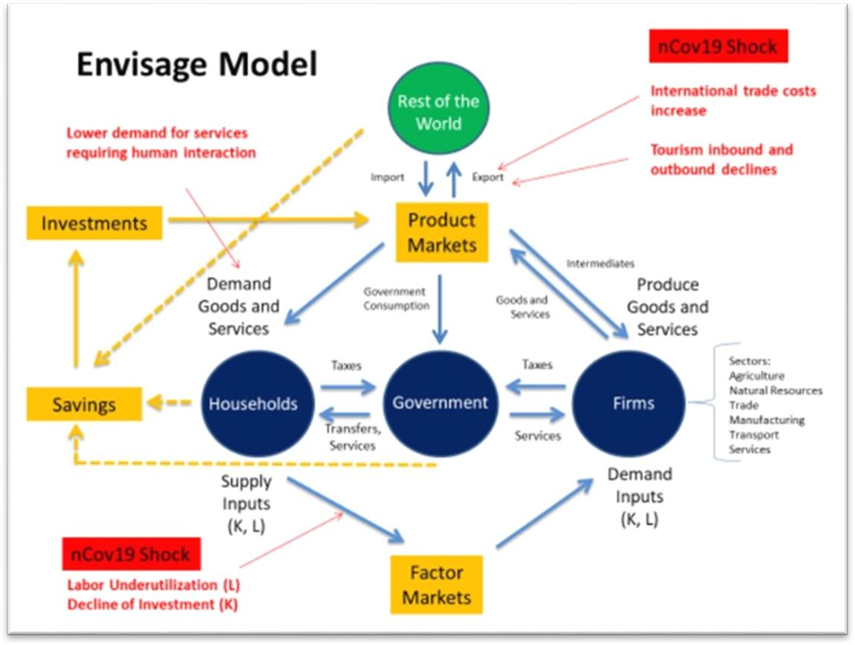
Figure 2: Implications of the COVID-19 as implemented in the Envisage model (Maliszewska, Mattoo and Van der Mensbrugghe, 2020).
Compared with the G-Cubed model, the Envisage model illustrates the transmission channels and heterogenous impact on output and trade in four different shocks but are all assumed to occur simultaneously. This model only analyses the scenario of the current COVID-19 hence it only incorporates the decline in demand due to a reduction in production and incomes but does not take into account the decline in investor confidence and any financial repercussions. The first shock is a drop in employment by 3%. The underutilisation of capacity takes place due to factory closures as well as social distancing, forcing workers to stay at home. The second shock is the raise of international trade costs by 25% for imports and exports. The assumed increase in transport and transaction costs in foreign trade is driven by additional inspections, reduced hours of operation, road closures, border closures, increases in transport costs, etc. The third shock entails a sharp drop in international tourism. The fourth shock represents a switch in demand by households who purchase fewer services requiring close human interaction such as mass transport, domestic tourism, restaurants, and recreational activities while redirecting demand towards the consumption of goods and other services. The demand for the targeted services is assumed to drop by 15%. This results in a reallocation of household demand across sectors while total expenditures are still driven by previous shocks and relative prices of goods in the consumption basket.
Based on the four shocks, the model illustrates the impacts of COVID-19 to the economy which include macroeconomic impacts, trade impacts, and sectoral output impacts. In terms of macroeconomic impacts, global GDP is expected to decline by 2.1%, the GDP of developing countries’ is expected to decline by 2.5% and high-income countries by 1.9%. The biggest GDP losses under the global pandemic scenario are expected to occur in East Asia and Pacific (EAP) countries due to their relatively deep integration through trade and direct impact on tourism. On trade impacts, the global pandemic scenario results in negative impacts on exports across all sectors and most destinations. The country-specific results are driven by the initial composition of output and exports by sector and destination, but also by the country’s level of openness and relative changes in the competitiveness of the exporting country and its trading partners. On sectoral output impacts, there was a steeper decline in services in comparison to agriculture and manufacturing. The biggest negative shock is recorded in the output of domestic services affected by the pandemic as well as in traded tourist services. On a global level, the output of services affected by the pandemic are 9.3%, tourism services at 8.8%, and decline in agricultural and manufacturing output at about 3%.
3. On Psychology
COVID-19 has required many countries across the globe to implement early quarantine measures as the fundamental disease control tool. The enormity of living in isolation and the changes experienced in our daily lives alongside unexpected situations such unemployment, financial hardship and grief over the death of loved ones can produce acute panic, anxiety, obsessive behaviours, hoarding, paranoia, depression and post-traumatic stress disorder (PTSD) in the long run for many. Even in this time of physical distancing, it is critical to seek social support and connection with others. These have been fuelled by an “infodemic” spread via different platforms of social media.
The Mental Health and Psychosocial Support (MHPSS) – was introduced circa 2007 and is now widely used to describe the range of activities that are used to treat mental disorders and to improve the well-being of individuals and communities in their conflict or disaster-affected environments. Support may include interventions in health, education, or community-based interventions. In disasters, MHPSS provide support to people as a means of protecting or promoting their mental health and psychosocial wellbeing during pandemics and also treats mental disorders. Psychosocial support also helps individuals and communities recover from the psychological damage as well as rebuild social structures after a crisis or disaster. The term psychosocial refers to the close relationship between the individual and the collective aspects of any social entity, especially for the healthcare workers. One of the components of the MHPSS is prevention and treatment of psychiatric disorders such as depression, anxiety, and PTSD.
Principles of Mental Health and Psychosocial Support to COVID-19.
The delivery of MHPSS services to all level of victims involved in disasters in general and specifically during COVID-19 follows the principle that basic needs shall be provided to all victims, followed by restoration of community and family support and followed by focused and specialized services to a smaller subgroup among those affected by the crisis. Below explains the model of MHPSS role in each level of need.
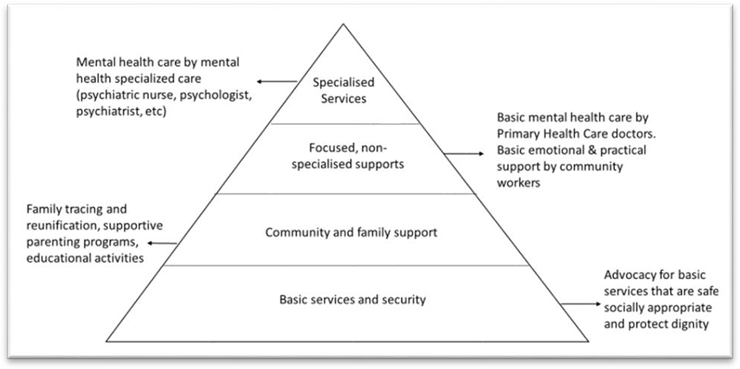
Figure 3: Intervention Pyramid for Mental Health and Psychosocial Support in Emergencies (Inter-Agency Standing Commite (IASC), Figure 1 (2010)) (MOH, 2020)
During the initial response, attention will also be given to those who are in need of MHPSS including Psychological First Aid (PFA). Referrals for further intervention of healthcare workers and Persons Under Investigation (PUI) to Family Medicine Specialists, Psychiatrists or Psychologists are to be done when necessary.
The psychological impact on children and the elderly.
Children are likely to experience worry, anxiety and fear, either of them or their relatives dying or a fear of what it means to receive medical treatment – fears which are primarily associated with adults. If schools have closed as part of necessary precautional measures, then the children may possibly lose that sense of structure and stimulation that is provided by that environment resulting in them having less opportunities to be with their friends and get that social support that is essential for their mental well-being. Being at home can place some children at an increased risk of being exposed to child protection incidents or make them witness interpersonal violence if their home is not a safe place. This is something that is very concerning and although all children are perceptive to change, young children may find the changes that have taken place difficult to understand, and both young and older children may express irritability and anger. Children may find that they want to be closer to their parents or guardians and make more demands out of them. In turn, some parents or caregivers may find themselves under pressure.
The elderly, alongside those with underlying health conditions, have been identified as more vulnerable to COVID-19 and knowing that fact can be extremely frightening and very fear-inducing. The psychological impacts for these populations can include anxiety and feeling stressed or angry. Its impacts can be particularly difficult for older people who may be experiencing cognitive decline or dementia. Some older people may already be socially isolated and experiencing loneliness which can worsen their mental health. On a positive note, there are many things that older people can initiate for themselves with the support of a carer, if needed, to protect their mental health during this period. These include many of the strategies that we are advocating for across the entire population such as undertaking physical activity, keeping to routines or creating new ones and engaging in activities which give a sense of achievement. Maintaining social connections is also important. Some older people may be familiar
with digital methods and others may need guidance on how to use them. Once again, the mental health and psychosocial support services and other services that are relevant to this population must remain available at this time.
1)Financial Anxiety: The Psychological Impact on Behavioural Economics
Financial anxiety is a monetary monster that haunts many by stoking worry. It can be highly debilitating and can also cause significant distress. Financial anxiety shares many of the characteristics of the regular anxiety disorder such as excessive worry, irritability and difficulties concentrating. Financial anxiety is common, it's not insurmountable - and recognizing what triggers anxiety can help one cope with it. The effects financial anxiety has on the stock market may be mediated by a phenomenon that psychologist Paul Slovic of the University of Oregon and his colleagues call the “affect heuristic.” When people are emotionally upset because of a tragic event, they react with fear even in circumstances where there is no reason to feel fear at all. The pandemic of financial anxiety spreads through panicked reactions to the price drops. A negative bubble in the stock market occurs when people see prices falling and in the midst of trying to discover why, they begin to amplify stories that attempt to explain the decline. Then, prices repeatedly fall on subsequent days. Financial anxiety is not an isolated condition; increased feelings of stress and anxiety can impact your overall physical and mental health and well-being.
The stock market tends to overreact to major events. This phenomenon is known as an “alarmist bias”. According to economist Kip Viscusi, people devote “extra attention towards worst-case scenarios” and many investors are more likely to ignore positive evidence about alarmist scenarios when conflicting evidence is presented. Current market shakeout is turning out to be not just a “correction” but potentially a transitional shift that is driven by panic.
Section C: Coronavirus and personal finance
1.Personal Debt
The Coronavirus has split the nation as there was a spike in the numbers of businesses that were forced to shut down due to the lack of cash flow that resulted from an increase in the rate of unemployment. This situation has required consumers to quickly alter their spending behaviour as well as how they interact with debt and credit. The economic impact of COVID-19 has increased risks to financial stability hence, temporary relief measures have been implemented to support households and businesses. The Malaysian government has launched a series of economic stimulus packages designed to cushion the economic effects of the pandemic, such as the monthly financial aid of RM600 from the Social Security Organization (SOCSO) to employees on forced unpaid leave and allowing a withdrawal of RM500 from Employees Provident Fund (EPF). In addition, Bank Negara Malaysia (BNM) has ordered all banks to grant an automatic six-month moratorium (deferment) of loan/financing repayments from April to September 2020.
The six-month moratorium on loan repayments and cash transfers by the government provides Malaysians extra cash on hand to put food on the table and for the businesses to stay afloat even when income streams are affected. The study done by Asia Business School has shown that the stimulus package was able to offer immediate relief to nearly all households grappling with income shortfalls transporting many B40 respondents into a positive cash-flow situation. While B40 respondents benefit roughly equally from the debt holiday and cash transfers, the debt holiday alone accounts for nearly all the increase in the proportion of M40 respondents with positive cash-flow. On the saving parts, without the stimulus package, almost all B40 households with negative cash-flow would last only a month or less on accessible savings. However, with relief, including access to EPF funds, most B40 households that remain cash-flow negative even under the stimulus package can last for more than a month and many can last for the foreseeable future. So far, these measures meet the objective. The statistics from April to June showed RM51.4 billion worth of instalments deferred (RM33.4bn Households, RM17.9billion Businesses). That’s RM51.4 billion in the hands of households and businesses rather than the banking system.
However, as the six-month moratorium ends in September, there are concerns for both banks and consumers who took the moratorium route. It will mean lower discretionary income for households who will find it difficult to make loan repayments and require an extension until they are financially stable. The online poll by the Credit Counselling and Debt Management Agency (AKPK) revealed that more than 80% of a sample size of close to 2,000 people had chosen to take on the deferment of their loans under the moratorium. For the banks, the problems include rising non- performing loans (NPLs), the risk of banks’ loan loss provisions (LLP) increasing and a possible spike in gross impaired loan (GIL) ratios. For the record, the Household Debt to GDP was at 82.7% and Corporate Debt to GDP was at 99.7% as at end 2019, while Household Median DSR (Debt Service Ratio) was at 32.7 in early 2018. Home loans, hire purchases, and personal loans account for 87% of all household debt (the remainder being credit cards and other financing options).
1)Managing personal debt during pandemic
The spread of COVID-19 has changed the global landscape, affecting our financial, professional, and social environments. The sudden disruptions caused by this public health crisis are presenting economic challenges with growing repercussions. While some factors affecting the financial well-being are beyond individual control, financial knowledge can help people better manage their finances through times of hardship and also times of prosperity. Unfortunately, not everyone is equipped with financial knowledge. There are two things that people can do in to manage their personal debt, especially for those who were directly impacted from COVID-19.
a.Know personal financial situation
Everyone should be aware of their financial situation. Having a good grasp of the situation of their finances can help individuals when it comes to money management (income and debt). Engaging with a financial adviser can help individuals set financial goals. Also, in cases where a person is not on track towards achieving set goals, an adviser can help by putting the right strategies in place or setting more realistic goals.
b.Talk to a banker if experiencing financial hardship
As the COVID-19 pandemic created a great deal of uncertainty and disruption for people, businesses and communities, individuals should contact their bank if they are experiencing difficulties servicing their loans. Under no circumstances should credit card payments be delayed. Credit cards charge a high rate of interest on pending payments which directly affects the individual’s personal credit score. If there is a liquidity crunch, consumers must at least make the minimum payments to avoid exacerbated bills later. One can always ask the bank to convert any outstanding credit card balance into a personal loan. For other financing products such as mortgage and hire purchase, the six-month loan moratorium may be worth the peace of mind, especially when there is no regular income.
2)Common mistakes in managing personal debt during pandemic.
There are two common traps that individuals typically fall into in a situation like the pandemic: skipping their insurance premiums and deferring payments on their credit cards.
a.Skipped insurance premiums.
Individuals should be alerted to the fact that skipping insurance premiums for more than three months can cause difficulties when making future claims. Instead of skipping the insurance premiums altogether, individuals can exercise their right to a premium holiday from the available insurance cash value. Alternatively, some insurance providers allow eligible policyholders a grace period of 90 days to pay the premiums due. During this deferment period, the insurance company continues to provide insurance protection.
However, this is not an automatic premium program; therefore, policyholders must approach their insurance agent or financial adviser to apply for this deferment.
b.Late payment / missed payments for credit cards.
This will be the second most common mistake made by individuals experiencing financial difficulties. This mistake will cause individual late payment fees and may possibly result in the interest rate on the credit card being raised to the penalty rate. In addition, the late payment may be added to the individual’s credit history and can end up affecting the credit score. Currently, most banks are offering a credit card relief conversion plan that converts the outstanding balances to an instalment loan.
2.Personal Budgeting
COVID-19 has made it aware to all Malaysians how important emergency funds are. Budgeting is more than just paper planning; it is the backbone to personal finance and wealth management. It is more important than ever to ensure household have financial security and are working effectively to achieve financial or lifestyle goals. In short, budgeting helps ensure that individual have the right amount of money at the right time. And when we do budgeting, we must deal with both regular events and extremely uncertain events.
Today, there are numerous software and templates that help with personal budgeting. A search on Google for ‘personal budgeting’ yielded 72,600,000 results. However, despite these, people still fail to budget their expenditure. Here are some reasons for that:
Most people tend to underestimate their expenses when it comes to gifts, sin costs (like night life, cigarette, beer), cosmetics, automobiles and even donations. Be realistic with estimated monthly expenses.
Whenever unplanned expenses come up, an emergency fund can fill in the gaps without knocking your budget off track. It is also important to only use emergency fund for emergencies, and to not see it as an extension of monthly budget.
A flexible budget allows for variations without ruining individual bottom line or making they feel like a failure. For certain times like the festive season or school resumptions, the expenses tend to rise and fall from one month to the next and personal budgeting will not work if there is not a certain amount of flexibility built into it. That will mean that during the months when there is a surplus in budget, people will have to bank it and have it available to shore up the months when their expenses are higher than normal.
People have a strong desire to get control of their finances but lack of the discipline and/or the commitment to implement a budget and stick with it for more than a few months, or even a few weeks.
In order for someone to successfully budget their expenditure, it requires systematic process.
1)Steps in budgeting
We can group our spending into categories. It is easier to figure out what the categories will look like and it will make things so much easier when calculate our spending so we can forecast (predict) future expenses and determine personal financial position.
If we really want something, take a step back and let our rational thought process prevail. Apply the 30 days rule if we really insist on making a purchase. We may write the item and the price and wait for 30 days. If still want to buy it at the end of that time frame, we can either go for it or, even better, use that 30 day time frame to save up to make the purchase rather than have it charged to credit card. (Alternatively, if we already have money, just put a 1- month fixed deposit in case the item is more than RM5000)
Saving is a priority, and investments only come when we have enough savings. For lower income earners, the top priority is to save (short term, mid-term or long term) rather than invest. The real question is: How much savings is
enough? For example, let assume from RM2000 income, we manage to save RM250 per month. Once the saving reach at RM6000 (3 months income + RM1000 per dependents) we can plan for an investment and only the surplus money, not the savings, should be used for the investment.
2)Budgeting based on income levels.
Basic recommendation: 50-20-30 rule, but it depends. There is no One-Size-Fits-All in budgeting. But here are some suggestions for the following income levels:
a.RM2,000
Some of lower income earners may have difficulties following the 50-20-30 rule. Hence, instead of trying to cut back your small expenses, focus on the larger ones so that it can make more of a significant impact. Make use of resources. For this group of people, the mortgage loan tends to be the biggest part of their expenses. If rent a house, consider downsizing to a smaller home or living with roommates. If you own house, it would be beneficial to consider renting out a room or parking spot for additional income.
b.RM5,000
For RM5,000 earners (middle income), having priorities is extremely important as it is very easy to fall into the trap of overspending on eating out and clothing. In regard to the 50-20-30 rules, as shared earlier, middle income earners should focus on the what priorities should be in the 50% & 30% allocation.
1.The 50% allocation for Needs
For example, when we talk about groceries, instead of buying individually packed items, we can purchase it by the dozen and bulk those that we can use in the long run. This will help us to save money.
2.The 30% allocation for Wants
Cut back on how often we dine out. We can still enjoy a nice meal at a restaurant, just not multiple times a week. Eating and cooking at home can lessen the cost of your food expenses compared to eating out at restaurants and fast food chains.
c.RM10,000
RM10,000 earner, two main objectives for budget can be:
1.Minimizing unnecessary spending and tackling high-interest debt. Credit card and personal loans tend to be at a high interest in comparison to others. If unable to fully settle credit card outstanding, try to convert credit card debt into monthly instalments (fixed interest rate). Some banks offer 0?lanced transfer.
2.Maximizing money efficiently.
If magazine subscription + broadband + gym membership is more than RM2,500 (personal income tax relief), try considering cutting unnecessary expenses or reducing the membership plan. The 20% allocation from saving can be placed into a number of saving and investment instruments. For example, investing into a Private Retirement Scheme will allow to get tax relief (cap at RM3,000). This can be the alternative for pension fund.
3.Staying disciplined in budgeting.
One of the ways to stick with our budget is to divide our budget goal into sub-goals. For example, if our goal to have 20% down payment for new house (e.g.: RM40,000) in two years; changing it to sub-goals allows us to save RM1,700 per month meaning that we will be able to monitor our progress monthly. It is important to keep reminding us of the importance of reaching our goal and how it will make a difference in our life. Once we achieve our sub-goals after 6 months of saving RM1,700/month, try to reward it. The reward may be as simple as a giving us a mental pat on the back (“I’m good!”), such as watching a movie at the cinema or buying yourself ice cream, etc. (as long as it is still within budget).
c.Personal Investment
Investing is not always comfortable, but it is important to remember that without risk, there are no returns. As the world continues to reel from the impact of COVID-19, many of us are worried about what the pandemic means for us financially. Panic selling from investors has greatly impacted markets. In Malaysia, on the 15th of March, the FBM KLCI slumped to its lowest since December 2011 due to the outbreak of the second wave of COVID-19. However, an upward trend was observed after the announcement of stimulus packages from the government and relief efforts by financial institutions. The markets have also seen plenty of tough times such as the tech bubble burst in 2002, credit drying up in 2008 and the sovereign debt crisis in 2012.
1)Investment strategy
If history tells us one thing it is that we should not worry too much about trying to time the market. Historically, bear markets tend to be short-lived. Markets ultimately recover when fuelled by growth and technological innovation which underpin progress and corporate profitability. Investors can protect their investments in this recession by first recognising the impact that it will have on their investments, compared to typical downside events. Diversification and balance between different sectors will be important – regardless of whether there is a recession or not. With that in mind, there are several investing approaches which may be useful in managing your investment allocation.
a.Multi-asset strategy
Multi-asset strategy refers to the type of investment strategy that involves investing in various asset classes. Typically, a multi-asset strategy uses an asset allocation program on top of the sub-strategies that invest in individual asset classes. This offers a flexibility that allows for a shift away from specific market-driven performance to more absolute return and other outcome- oriented solutions that strive for greater control over risk exposures.
The four (4) main asset classes covered by multi-asset strategies are stocks, bonds, alternatives and cash. Within each, there are multiple ways to slice and dice them. Stock funds can be managed according to size, style, sector, and geography. Bond funds can be managed according to duration, credit, geography and currency. Alternatives include various hedge strategies, infrastructure, private equity and real estate, many of which are common in institutional multi-asset strategies. This broad definition of a multi-asset- strategy fund also covers strategies that intentionally cover only a limited segment of the entire universe. This “limited” segment can be anything – e.g. alternatives or international equities. They were developed largely to fill the capability gap of some asset owners and fund houses in certain segments of the market.
To implement multi-asset strategies, however, investors should understand not only the reasons they can be beneficial, especially in the current market environment, but also the different styles of multi-asset strategies that exist and how to successfully implement them.
b.Dollar-Cost Averaging (DCA)
DCA strategy implements the regular and periodic purchasing of investment. DCA gained popularity among financial advisers and individual investors after the Great Depression throughout the mid-1960s. Furthermore, it encourages the investment of the same amount of money rather than the same number of shares each period. As a result, investors can purchase more shares at a low price compared to high-priced shares.
Statman (1995) explained that DCA is a particularly valuable method to reduce the behavioural bias, which is capable of reducing psychological pain associated with financial recession when the market price falls. This explanation was supported by Kahneman and Tversky’s (1982) statement on the positive correlation between regret and the level of responsibility, where DCA is capable of decreasing the level of regret about bad outcomes and enabling investment in a riskier asset. Besides managing investor’s emotion, the DCA approach employed in the regular investment plan assists the investors in minimising risks, especially those in a volatile market. Regardless of the types of investment instrument used such as stock market, unit trust or exchange-traded fund, DCA is found to be the most superior approach to be implemented in a volatile market.
2)Basic tenets of investing
In this environment, if we move our money into cash, we are likely to miss out on the best gains in the market making it much more difficult to recover the losses. Now more than ever, it is essential to follow the basic tenets of investing:
a.Diversification
Proper diversification is the most effective way to reduce volatility. The coronavirus pandemic will not have the same repercussions on all sectors. For example, even though airlines have suffered a considerable loss, essential commodities like healthcare products, etc., are still high in demand. No two sectors react the same way to the market which is why diversification can be the key to avoid any type of risk or pitfall.
b.Evaluate investment risk appetite
With a high probability of losing a job or receiving a pay cut, investors may want to look at their risk appetite again. A person’s risk appetite is dependent on a host of other factors such as their gross income, future goals, career prospects and market conditions. With these aspects taking a hit, investors should lower the risk from their portfolio too.
c.Have long-term investment view
The investments may all be in red at the moment but we must recognize the fact that we will not experience a loss until we sell them off. A bear market occurs when the stock market declines 20% or more from its recent highs following a bull market. These short-term events will have little if any impact on your long-term investment performance.
Section D: Applying ‘New Normal’ in financial advice.
The global health crisis has forced business professionals across a myriad of industries to find new ways of doing business. Financial planning is no different. With so much uncertainty surrounding global health, the economy and financial markets, it is understandable that advisors are receiving more questions or comments from their clients. Since there is not a clear answer as to when the economy will recover to its former glory, a financial advisor must be prepared for this. Undeniably, this pandemic will shape the future of the financial advisory sector in a way that has never been seen before. With that being said, how can an advisor plan and adapt to the new normal?
As prudent financial advisors, we seek to understand our clients’ wallet, specifically their new- found cash flow requirements and risk appetite. For instance, customers who lose their jobs might have a significantly reduced risk appetite and greater need for cash flow. By understanding our clients’ situation, we can then tailor the solutions to their liking. To elaborate, we might advise our clients on a more defensive approach, i.e. moving from an aggressive portfolio to a rather conservative allocation with greater emphasis on insurance, bonds and asset classes which can withstand, if not, outperform an economic downturn. Furthermore, this approach might increase our clients’ returns while significantly reducing their risk exposure. With worldwide central banks cutting interest rates to a record low, it is worth mentioning that the outlook of equity markets is rather gloomy. As wise advisors, we would consider the options of positioning our clientele on a rather defensive strategy by perhaps allocating a larger portion of their funds into more liquid assets.
Other than re-evaluating our clients’ risk appetite, we will communicate more regularly and effectively with our customers to increase their trust and confidence. This is because in times of crisis, it can be extremely frustrating if clients cannot get in touch with their advisors, more so if their portfolio is performing unfavourably. The crisis has been a catalyst for growth-oriented advisors to embrace more digitally-minded business development strategies. The home isolation of both advisors and their clients has also accelerated the shift to digital advice that was already well underway. The rapid advance of digital technology is allowing financial advisors to be remote and face-to-face at the same time. Video conferencing and increasingly popular platforms such as Zoom and Microsoft Teams, have stepped into the limelight as companies in nearly every industry attempt to maintain relationships with their clients and build new ones. These platforms help to create a better experience for clients by making it easier to connect and communicate with their advisor.
Looking beyond the coronavirus crisis, video conferencing could become a more permanent fixture for advisors. Becoming comfortable with technology might lead to better and more efficient prospecting in the future. Virtual meetings are the ‘new normal’ right now, but with noteworthy time and cost savings, they could be here to stay. Ultimately, with the advantage of knowing the clients’ latest financial position, financial advisors must react in their utmost diligence to the disaster like no other and drive everything through the lens of what can help the customers and allow them to be sustainable. In the end, regardless of the economic climate, it always boils down to customer service.
Anyone can have financial problems regardless of their income or profession. The first thing to do is to accept that the life is going to be different for a while and then focus on the tasks that we can control. The fact that someone is earning a high salary does not necessarily mean that they are automatically financially solvent. In times of an economic crisis, we encourage people to get advice from their financial advisor. In UOB Kay Hian Wealth Advisors, our financial advisors have been reaching out to clients via all available channels including phone, text, email, and social media throughout the COVID-19 pandemic to let them know that we are available to answer their questions, address their concerns and to help them make decisions that will support and align with their individual goals during these uncertain times. The regular client webinars help people to understand the current market situation and communicate with financial experts on what is taking place, what is yet to come, the opportunities ahead, and the steps they can take now to weather the storm.
Clearly Auctoresonline and particularly Psychology and Mental Health Care Journal is dedicated to improving health care services for individuals and populations. The editorial boards' ability to efficiently recognize and share the global importance of health literacy with a variety of stakeholders. Auctoresonline publishing platform can be used to facilitate of optimal client-based services and should be added to health care professionals' repertoire of evidence-based health care resources.

Journal of Clinical Cardiology and Cardiovascular Intervention The submission and review process was adequate. However I think that the publication total value should have been enlightened in early fases. Thank you for all.

Journal of Women Health Care and Issues By the present mail, I want to say thank to you and tour colleagues for facilitating my published article. Specially thank you for the peer review process, support from the editorial office. I appreciate positively the quality of your journal.

Journal of Clinical Research and Reports I would be very delighted to submit my testimonial regarding the reviewer board and the editorial office. The reviewer board were accurate and helpful regarding any modifications for my manuscript. And the editorial office were very helpful and supportive in contacting and monitoring with any update and offering help. It was my pleasure to contribute with your promising Journal and I am looking forward for more collaboration.

We would like to thank the Journal of Thoracic Disease and Cardiothoracic Surgery because of the services they provided us for our articles. The peer-review process was done in a very excellent time manner, and the opinions of the reviewers helped us to improve our manuscript further. The editorial office had an outstanding correspondence with us and guided us in many ways. During a hard time of the pandemic that is affecting every one of us tremendously, the editorial office helped us make everything easier for publishing scientific work. Hope for a more scientific relationship with your Journal.

The peer-review process which consisted high quality queries on the paper. I did answer six reviewers’ questions and comments before the paper was accepted. The support from the editorial office is excellent.

Journal of Neuroscience and Neurological Surgery. I had the experience of publishing a research article recently. The whole process was simple from submission to publication. The reviewers made specific and valuable recommendations and corrections that improved the quality of my publication. I strongly recommend this Journal.

Dr. Katarzyna Byczkowska My testimonial covering: "The peer review process is quick and effective. The support from the editorial office is very professional and friendly. Quality of the Clinical Cardiology and Cardiovascular Interventions is scientific and publishes ground-breaking research on cardiology that is useful for other professionals in the field.

Thank you most sincerely, with regard to the support you have given in relation to the reviewing process and the processing of my article entitled "Large Cell Neuroendocrine Carcinoma of The Prostate Gland: A Review and Update" for publication in your esteemed Journal, Journal of Cancer Research and Cellular Therapeutics". The editorial team has been very supportive.

Testimony of Journal of Clinical Otorhinolaryngology: work with your Reviews has been a educational and constructive experience. The editorial office were very helpful and supportive. It was a pleasure to contribute to your Journal.

Dr. Bernard Terkimbi Utoo, I am happy to publish my scientific work in Journal of Women Health Care and Issues (JWHCI). The manuscript submission was seamless and peer review process was top notch. I was amazed that 4 reviewers worked on the manuscript which made it a highly technical, standard and excellent quality paper. I appreciate the format and consideration for the APC as well as the speed of publication. It is my pleasure to continue with this scientific relationship with the esteem JWHCI.

This is an acknowledgment for peer reviewers, editorial board of Journal of Clinical Research and Reports. They show a lot of consideration for us as publishers for our research article “Evaluation of the different factors associated with side effects of COVID-19 vaccination on medical students, Mutah university, Al-Karak, Jordan”, in a very professional and easy way. This journal is one of outstanding medical journal.

Dear Hao Jiang, to Journal of Nutrition and Food Processing We greatly appreciate the efficient, professional and rapid processing of our paper by your team. If there is anything else we should do, please do not hesitate to let us know. On behalf of my co-authors, we would like to express our great appreciation to editor and reviewers.

As an author who has recently published in the journal "Brain and Neurological Disorders". I am delighted to provide a testimonial on the peer review process, editorial office support, and the overall quality of the journal. The peer review process at Brain and Neurological Disorders is rigorous and meticulous, ensuring that only high-quality, evidence-based research is published. The reviewers are experts in their fields, and their comments and suggestions were constructive and helped improve the quality of my manuscript. The review process was timely and efficient, with clear communication from the editorial office at each stage. The support from the editorial office was exceptional throughout the entire process. The editorial staff was responsive, professional, and always willing to help. They provided valuable guidance on formatting, structure, and ethical considerations, making the submission process seamless. Moreover, they kept me informed about the status of my manuscript and provided timely updates, which made the process less stressful. The journal Brain and Neurological Disorders is of the highest quality, with a strong focus on publishing cutting-edge research in the field of neurology. The articles published in this journal are well-researched, rigorously peer-reviewed, and written by experts in the field. The journal maintains high standards, ensuring that readers are provided with the most up-to-date and reliable information on brain and neurological disorders. In conclusion, I had a wonderful experience publishing in Brain and Neurological Disorders. The peer review process was thorough, the editorial office provided exceptional support, and the journal's quality is second to none. I would highly recommend this journal to any researcher working in the field of neurology and brain disorders.

Dear Agrippa Hilda, Journal of Neuroscience and Neurological Surgery, Editorial Coordinator, I trust this message finds you well. I want to extend my appreciation for considering my article for publication in your esteemed journal. I am pleased to provide a testimonial regarding the peer review process and the support received from your editorial office. The peer review process for my paper was carried out in a highly professional and thorough manner. The feedback and comments provided by the authors were constructive and very useful in improving the quality of the manuscript. This rigorous assessment process undoubtedly contributes to the high standards maintained by your journal.

International Journal of Clinical Case Reports and Reviews. I strongly recommend to consider submitting your work to this high-quality journal. The support and availability of the Editorial staff is outstanding and the review process was both efficient and rigorous.

Thank you very much for publishing my Research Article titled “Comparing Treatment Outcome Of Allergic Rhinitis Patients After Using Fluticasone Nasal Spray And Nasal Douching" in the Journal of Clinical Otorhinolaryngology. As Medical Professionals we are immensely benefited from study of various informative Articles and Papers published in this high quality Journal. I look forward to enriching my knowledge by regular study of the Journal and contribute my future work in the field of ENT through the Journal for use by the medical fraternity. The support from the Editorial office was excellent and very prompt. I also welcome the comments received from the readers of my Research Article.

Dear Erica Kelsey, Editorial Coordinator of Cancer Research and Cellular Therapeutics Our team is very satisfied with the processing of our paper by your journal. That was fast, efficient, rigorous, but without unnecessary complications. We appreciated the very short time between the submission of the paper and its publication on line on your site.

I am very glad to say that the peer review process is very successful and fast and support from the Editorial Office. Therefore, I would like to continue our scientific relationship for a long time. And I especially thank you for your kindly attention towards my article. Have a good day!

"We recently published an article entitled “Influence of beta-Cyclodextrins upon the Degradation of Carbofuran Derivatives under Alkaline Conditions" in the Journal of “Pesticides and Biofertilizers” to show that the cyclodextrins protect the carbamates increasing their half-life time in the presence of basic conditions This will be very helpful to understand carbofuran behaviour in the analytical, agro-environmental and food areas. We greatly appreciated the interaction with the editor and the editorial team; we were particularly well accompanied during the course of the revision process, since all various steps towards publication were short and without delay".

I would like to express my gratitude towards you process of article review and submission. I found this to be very fair and expedient. Your follow up has been excellent. I have many publications in national and international journal and your process has been one of the best so far. Keep up the great work.

We are grateful for this opportunity to provide a glowing recommendation to the Journal of Psychiatry and Psychotherapy. We found that the editorial team were very supportive, helpful, kept us abreast of timelines and over all very professional in nature. The peer review process was rigorous, efficient and constructive that really enhanced our article submission. The experience with this journal remains one of our best ever and we look forward to providing future submissions in the near future.

I am very pleased to serve as EBM of the journal, I hope many years of my experience in stem cells can help the journal from one way or another. As we know, stem cells hold great potential for regenerative medicine, which are mostly used to promote the repair response of diseased, dysfunctional or injured tissue using stem cells or their derivatives. I think Stem Cell Research and Therapeutics International is a great platform to publish and share the understanding towards the biology and translational or clinical application of stem cells.

I would like to give my testimony in the support I have got by the peer review process and to support the editorial office where they were of asset to support young author like me to be encouraged to publish their work in your respected journal and globalize and share knowledge across the globe. I really give my great gratitude to your journal and the peer review including the editorial office.

I am delighted to publish our manuscript entitled "A Perspective on Cocaine Induced Stroke - Its Mechanisms and Management" in the Journal of Neuroscience and Neurological Surgery. The peer review process, support from the editorial office, and quality of the journal are excellent. The manuscripts published are of high quality and of excellent scientific value. I recommend this journal very much to colleagues.

Dr.Tania Muñoz, My experience as researcher and author of a review article in The Journal Clinical Cardiology and Interventions has been very enriching and stimulating. The editorial team is excellent, performs its work with absolute responsibility and delivery. They are proactive, dynamic and receptive to all proposals. Supporting at all times the vast universe of authors who choose them as an option for publication. The team of review specialists, members of the editorial board, are brilliant professionals, with remarkable performance in medical research and scientific methodology. Together they form a frontline team that consolidates the JCCI as a magnificent option for the publication and review of high-level medical articles and broad collective interest. I am honored to be able to share my review article and open to receive all your comments.

“The peer review process of JPMHC is quick and effective. Authors are benefited by good and professional reviewers with huge experience in the field of psychology and mental health. The support from the editorial office is very professional. People to contact to are friendly and happy to help and assist any query authors might have. Quality of the Journal is scientific and publishes ground-breaking research on mental health that is useful for other professionals in the field”.

Dear editorial department: On behalf of our team, I hereby certify the reliability and superiority of the International Journal of Clinical Case Reports and Reviews in the peer review process, editorial support, and journal quality. Firstly, the peer review process of the International Journal of Clinical Case Reports and Reviews is rigorous, fair, transparent, fast, and of high quality. The editorial department invites experts from relevant fields as anonymous reviewers to review all submitted manuscripts. These experts have rich academic backgrounds and experience, and can accurately evaluate the academic quality, originality, and suitability of manuscripts. The editorial department is committed to ensuring the rigor of the peer review process, while also making every effort to ensure a fast review cycle to meet the needs of authors and the academic community. Secondly, the editorial team of the International Journal of Clinical Case Reports and Reviews is composed of a group of senior scholars and professionals with rich experience and professional knowledge in related fields. The editorial department is committed to assisting authors in improving their manuscripts, ensuring their academic accuracy, clarity, and completeness. Editors actively collaborate with authors, providing useful suggestions and feedback to promote the improvement and development of the manuscript. We believe that the support of the editorial department is one of the key factors in ensuring the quality of the journal. Finally, the International Journal of Clinical Case Reports and Reviews is renowned for its high- quality articles and strict academic standards. The editorial department is committed to publishing innovative and academically valuable research results to promote the development and progress of related fields. The International Journal of Clinical Case Reports and Reviews is reasonably priced and ensures excellent service and quality ratio, allowing authors to obtain high-level academic publishing opportunities in an affordable manner. I hereby solemnly declare that the International Journal of Clinical Case Reports and Reviews has a high level of credibility and superiority in terms of peer review process, editorial support, reasonable fees, and journal quality. Sincerely, Rui Tao.

Clinical Cardiology and Cardiovascular Interventions I testity the covering of the peer review process, support from the editorial office, and quality of the journal.

Clinical Cardiology and Cardiovascular Interventions, we deeply appreciate the interest shown in our work and its publication. It has been a true pleasure to collaborate with you. The peer review process, as well as the support provided by the editorial office, have been exceptional, and the quality of the journal is very high, which was a determining factor in our decision to publish with you.

The peer reviewers process is quick and effective, the supports from editorial office is excellent, the quality of journal is high. I would like to collabroate with Internatioanl journal of Clinical Case Reports and Reviews journal clinically in the future time.

Clinical Cardiology and Cardiovascular Interventions, I would like to express my sincerest gratitude for the trust placed in our team for the publication in your journal. It has been a true pleasure to collaborate with you on this project. I am pleased to inform you that both the peer review process and the attention from the editorial coordination have been excellent. Your team has worked with dedication and professionalism to ensure that your publication meets the highest standards of quality. We are confident that this collaboration will result in mutual success, and we are eager to see the fruits of this shared effort.

Dear Dr. Jessica Magne, Editorial Coordinator 0f Clinical Cardiology and Cardiovascular Interventions, I hope this message finds you well. I want to express my utmost gratitude for your excellent work and for the dedication and speed in the publication process of my article titled "Navigating Innovation: Qualitative Insights on Using Technology for Health Education in Acute Coronary Syndrome Patients." I am very satisfied with the peer review process, the support from the editorial office, and the quality of the journal. I hope we can maintain our scientific relationship in the long term.

Dear Monica Gissare, - Editorial Coordinator of Nutrition and Food Processing. ¨My testimony with you is truly professional, with a positive response regarding the follow-up of the article and its review, you took into account my qualities and the importance of the topic¨.

Dear Dr. Jessica Magne, Editorial Coordinator 0f Clinical Cardiology and Cardiovascular Interventions, The review process for the article “The Handling of Anti-aggregants and Anticoagulants in the Oncologic Heart Patient Submitted to Surgery” was extremely rigorous and detailed. From the initial submission to the final acceptance, the editorial team at the “Journal of Clinical Cardiology and Cardiovascular Interventions” demonstrated a high level of professionalism and dedication. The reviewers provided constructive and detailed feedback, which was essential for improving the quality of our work. Communication was always clear and efficient, ensuring that all our questions were promptly addressed. The quality of the “Journal of Clinical Cardiology and Cardiovascular Interventions” is undeniable. It is a peer-reviewed, open-access publication dedicated exclusively to disseminating high-quality research in the field of clinical cardiology and cardiovascular interventions. The journal's impact factor is currently under evaluation, and it is indexed in reputable databases, which further reinforces its credibility and relevance in the scientific field. I highly recommend this journal to researchers looking for a reputable platform to publish their studies.

Dear Editorial Coordinator of the Journal of Nutrition and Food Processing! "I would like to thank the Journal of Nutrition and Food Processing for including and publishing my article. The peer review process was very quick, movement and precise. The Editorial Board has done an extremely conscientious job with much help, valuable comments and advices. I find the journal very valuable from a professional point of view, thank you very much for allowing me to be part of it and I would like to participate in the future!”

Dealing with The Journal of Neurology and Neurological Surgery was very smooth and comprehensive. The office staff took time to address my needs and the response from editors and the office was prompt and fair. I certainly hope to publish with this journal again.Their professionalism is apparent and more than satisfactory. Susan Weiner

My Testimonial Covering as fellowing: Lin-Show Chin. The peer reviewers process is quick and effective, the supports from editorial office is excellent, the quality of journal is high. I would like to collabroate with Internatioanl journal of Clinical Case Reports and Reviews.

My experience publishing in Psychology and Mental Health Care was exceptional. The peer review process was rigorous and constructive, with reviewers providing valuable insights that helped enhance the quality of our work. The editorial team was highly supportive and responsive, making the submission process smooth and efficient. The journal's commitment to high standards and academic rigor makes it a respected platform for quality research. I am grateful for the opportunity to publish in such a reputable journal.

My experience publishing in International Journal of Clinical Case Reports and Reviews was exceptional. I Come forth to Provide a Testimonial Covering the Peer Review Process and the editorial office for the Professional and Impartial Evaluation of the Manuscript.

I would like to offer my testimony in the support. I have received through the peer review process and support the editorial office where they are to support young authors like me, encourage them to publish their work in your esteemed journals, and globalize and share knowledge globally. I really appreciate your journal, peer review, and editorial office.

Dear Agrippa Hilda- Editorial Coordinator of Journal of Neuroscience and Neurological Surgery, "The peer review process was very quick and of high quality, which can also be seen in the articles in the journal. The collaboration with the editorial office was very good."

I would like to express my sincere gratitude for the support and efficiency provided by the editorial office throughout the publication process of my article, “Delayed Vulvar Metastases from Rectal Carcinoma: A Case Report.” I greatly appreciate the assistance and guidance I received from your team, which made the entire process smooth and efficient. The peer review process was thorough and constructive, contributing to the overall quality of the final article. I am very grateful for the high level of professionalism and commitment shown by the editorial staff, and I look forward to maintaining a long-term collaboration with the International Journal of Clinical Case Reports and Reviews.

To Dear Erin Aust, I would like to express my heartfelt appreciation for the opportunity to have my work published in this esteemed journal. The entire publication process was smooth and well-organized, and I am extremely satisfied with the final result. The Editorial Team demonstrated the utmost professionalism, providing prompt and insightful feedback throughout the review process. Their clear communication and constructive suggestions were invaluable in enhancing my manuscript, and their meticulous attention to detail and dedication to quality are truly commendable. Additionally, the support from the Editorial Office was exceptional. From the initial submission to the final publication, I was guided through every step of the process with great care and professionalism. The team's responsiveness and assistance made the entire experience both easy and stress-free. I am also deeply impressed by the quality and reputation of the journal. It is an honor to have my research featured in such a respected publication, and I am confident that it will make a meaningful contribution to the field.

"I am grateful for the opportunity of contributing to [International Journal of Clinical Case Reports and Reviews] and for the rigorous review process that enhances the quality of research published in your esteemed journal. I sincerely appreciate the time and effort of your team who have dedicatedly helped me in improvising changes and modifying my manuscript. The insightful comments and constructive feedback provided have been invaluable in refining and strengthening my work".

I thank the ‘Journal of Clinical Research and Reports’ for accepting this article for publication. This is a rigorously peer reviewed journal which is on all major global scientific data bases. I note the review process was prompt, thorough and professionally critical. It gave us an insight into a number of important scientific/statistical issues. The review prompted us to review the relevant literature again and look at the limitations of the study. The peer reviewers were open, clear in the instructions and the editorial team was very prompt in their communication. This journal certainly publishes quality research articles. I would recommend the journal for any future publications.

Dear Jessica Magne, with gratitude for the joint work. Fast process of receiving and processing the submitted scientific materials in “Clinical Cardiology and Cardiovascular Interventions”. High level of competence of the editors with clear and correct recommendations and ideas for enriching the article.

We found the peer review process quick and positive in its input. The support from the editorial officer has been very agile, always with the intention of improving the article and taking into account our subsequent corrections.

My article, titled 'No Way Out of the Smartphone Epidemic Without Considering the Insights of Brain Research,' has been republished in the International Journal of Clinical Case Reports and Reviews. The review process was seamless and professional, with the editors being both friendly and supportive. I am deeply grateful for their efforts.

To Dear Erin Aust – Editorial Coordinator of Journal of General Medicine and Clinical Practice! I declare that I am absolutely satisfied with your work carried out with great competence in following the manuscript during the various stages from its receipt, during the revision process to the final acceptance for publication. Thank Prof. Elvira Farina

Dear Jessica, and the super professional team of the ‘Clinical Cardiology and Cardiovascular Interventions’ I am sincerely grateful to the coordinated work of the journal team for the no problem with the submission of my manuscript: “Cardiometabolic Disorders in A Pregnant Woman with Severe Preeclampsia on the Background of Morbid Obesity (Case Report).” The review process by 5 experts was fast, and the comments were professional, which made it more specific and academic, and the process of publication and presentation of the article was excellent. I recommend that my colleagues publish articles in this journal, and I am interested in further scientific cooperation. Sincerely and best wishes, Dr. Oleg Golyanovskiy.

Dear Ashley Rosa, Editorial Coordinator of the journal - Psychology and Mental Health Care. " The process of obtaining publication of my article in the Psychology and Mental Health Journal was positive in all areas. The peer review process resulted in a number of valuable comments, the editorial process was collaborative and timely, and the quality of this journal has been quickly noticed, resulting in alternative journals contacting me to publish with them." Warm regards, Susan Anne Smith, PhD. Australian Breastfeeding Association.

Dear Jessica Magne, Editorial Coordinator, Clinical Cardiology and Cardiovascular Interventions, Auctores Publishing LLC. I appreciate the journal (JCCI) editorial office support, the entire team leads were always ready to help, not only on technical front but also on thorough process. Also, I should thank dear reviewers’ attention to detail and creative approach to teach me and bring new insights by their comments. Surely, more discussions and introduction of other hemodynamic devices would provide better prevention and management of shock states. Your efforts and dedication in presenting educational materials in this journal are commendable. Best wishes from, Farahnaz Fallahian.

Dear Maria Emerson, Editorial Coordinator, International Journal of Clinical Case Reports and Reviews, Auctores Publishing LLC. I am delighted to have published our manuscript, "Acute Colonic Pseudo-Obstruction (ACPO): A rare but serious complication following caesarean section." I want to thank the editorial team, especially Maria Emerson, for their prompt review of the manuscript, quick responses to queries, and overall support. Yours sincerely Dr. Victor Olagundoye.

Dear Ashley Rosa, Editorial Coordinator, International Journal of Clinical Case Reports and Reviews. Many thanks for publishing this manuscript after I lost confidence the editors were most helpful, more than other journals Best wishes from, Susan Anne Smith, PhD. Australian Breastfeeding Association.

Dear Agrippa Hilda, Editorial Coordinator, Journal of Neuroscience and Neurological Surgery. The entire process including article submission, review, revision, and publication was extremely easy. The journal editor was prompt and helpful, and the reviewers contributed to the quality of the paper. Thank you so much! Eric Nussbaum, MD

Dr Hala Al Shaikh This is to acknowledge that the peer review process for the article ’ A Novel Gnrh1 Gene Mutation in Four Omani Male Siblings, Presentation and Management ’ sent to the International Journal of Clinical Case Reports and Reviews was quick and smooth. The editorial office was prompt with easy communication.

Dear Erin Aust, Editorial Coordinator, Journal of General Medicine and Clinical Practice. We are pleased to share our experience with the “Journal of General Medicine and Clinical Practice”, following the successful publication of our article. The peer review process was thorough and constructive, helping to improve the clarity and quality of the manuscript. We are especially thankful to Ms. Erin Aust, the Editorial Coordinator, for her prompt communication and continuous support throughout the process. Her professionalism ensured a smooth and efficient publication experience. The journal upholds high editorial standards, and we highly recommend it to fellow researchers seeking a credible platform for their work. Best wishes By, Dr. Rakhi Mishra.

Dear Jessica Magne, Editorial Coordinator, Clinical Cardiology and Cardiovascular Interventions, Auctores Publishing LLC. The peer review process of the journal of Clinical Cardiology and Cardiovascular Interventions was excellent and fast, as was the support of the editorial office and the quality of the journal. Kind regards Walter F. Riesen Prof. Dr. Dr. h.c. Walter F. Riesen.

Dear Ashley Rosa, Editorial Coordinator, International Journal of Clinical Case Reports and Reviews, Auctores Publishing LLC. Thank you for publishing our article, Exploring Clozapine's Efficacy in Managing Aggression: A Multiple Single-Case Study in Forensic Psychiatry in the international journal of clinical case reports and reviews. We found the peer review process very professional and efficient. The comments were constructive, and the whole process was efficient. On behalf of the co-authors, I would like to thank you for publishing this article. With regards, Dr. Jelle R. Lettinga.

Dear Clarissa Eric, Editorial Coordinator, Journal of Clinical Case Reports and Studies, I would like to express my deep admiration for the exceptional professionalism demonstrated by your journal. I am thoroughly impressed by the speed of the editorial process, the substantive and insightful reviews, and the meticulous preparation of the manuscript for publication. Additionally, I greatly appreciate the courteous and immediate responses from your editorial office to all my inquiries. Best Regards, Dariusz Ziora

Dear Chrystine Mejia, Editorial Coordinator, Journal of Neurodegeneration and Neurorehabilitation, Auctores Publishing LLC, We would like to thank the editorial team for the smooth and high-quality communication leading up to the publication of our article in the Journal of Neurodegeneration and Neurorehabilitation. The reviewers have extensive knowledge in the field, and their relevant questions helped to add value to our publication. Kind regards, Dr. Ravi Shrivastava.

Dear Clarissa Eric, Editorial Coordinator, Journal of Clinical Case Reports and Studies, Auctores Publishing LLC, USA Office: +1-(302)-520-2644. I would like to express my sincere appreciation for the efficient and professional handling of my case report by the ‘Journal of Clinical Case Reports and Studies’. The peer review process was not only fast but also highly constructive—the reviewers’ comments were clear, relevant, and greatly helped me improve the quality and clarity of my manuscript. I also received excellent support from the editorial office throughout the process. Communication was smooth and timely, and I felt well guided at every stage, from submission to publication. The overall quality and rigor of the journal are truly commendable. I am pleased to have published my work with Journal of Clinical Case Reports and Studies, and I look forward to future opportunities for collaboration. Sincerely, Aline Tollet, UCLouvain.

Dear Ms. Mayra Duenas, Editorial Coordinator, International Journal of Clinical Case Reports and Reviews. “The International Journal of Clinical Case Reports and Reviews represented the “ideal house” to share with the research community a first experience with the use of the Simeox device for speech rehabilitation. High scientific reputation and attractive website communication were first determinants for the selection of this Journal, and the following submission process exceeded expectations: fast but highly professional peer review, great support by the editorial office, elegant graphic layout. Exactly what a dynamic research team - also composed by allied professionals - needs!" From, Chiara Beccaluva, PT - Italy.

Dear Maria Emerson, Editorial Coordinator, we have deeply appreciated the professionalism demonstrated by the International Journal of Clinical Case Reports and Reviews. The reviewers have extensive knowledge of our field and have been very efficient and fast in supporting the process. I am really looking forward to further collaboration. Thanks. Best regards, Dr. Claudio Ligresti

Dear Chrystine Mejia, Editorial Coordinator, Journal of Neurodegeneration and Neurorehabilitation. “The peer review process was efficient and constructive, and the editorial office provided excellent communication and support throughout. The journal ensures scientific rigor and high editorial standards, while also offering a smooth and timely publication process. We sincerely appreciate the work of the editorial team in facilitating the dissemination of innovative approaches such as the Bonori Method.” Best regards, Dr. Matteo Bonori.

I recommend without hesitation submitting relevant papers on medical decision making to the International Journal of Clinical Case Reports and Reviews. I am very grateful to the editorial staff. Maria Emerson was a pleasure to communicate with. The time from submission to publication was an extremely short 3 weeks. The editorial staff submitted the paper to three reviewers. Two of the reviewers commented positively on the value of publishing the paper. The editorial staff quickly recognized the third reviewer’s comments as an unjust attempt to reject the paper. I revised the paper as recommended by the first two reviewers.

Dear Maria Emerson, Editorial Coordinator, Journal of Clinical Research and Reports. Thank you for publishing our case report: "Clinical Case of Effective Fetal Stem Cells Treatment in a Patient with Autism Spectrum Disorder" within the "Journal of Clinical Research and Reports" being submitted by the team of EmCell doctors from Kyiv, Ukraine. We much appreciate a professional and transparent peer-review process from Auctores. All research Doctors are so grateful to your Editorial Office and Auctores Publishing support! I amiably wish our article publication maintained a top quality of your International Scientific Journal. My best wishes for a prosperity of the Journal of Clinical Research and Reports. Hope our scientific relationship and cooperation will remain long lasting. Thank you very much indeed. Kind regards, Dr. Andriy Sinelnyk Cell Therapy Center EmCell

Dear Editorial Team, Clinical Cardiology and Cardiovascular Interventions. It was truly a rewarding experience to work with the journal “Clinical Cardiology and Cardiovascular Interventions”. The peer review process was insightful and encouraging, helping us refine our work to a higher standard. The editorial office offered exceptional support with prompt and thoughtful communication. I highly value the journal’s role in promoting scientific advancement and am honored to be part of it. Best regards, Meng-Jou Lee, MD, Department of Anesthesiology, National Taiwan University Hospital.

Dear Editorial Team, Journal-Clinical Cardiology and Cardiovascular Interventions, “Publishing my article with Clinical Cardiology and Cardiovascular Interventions has been a highly positive experience. The peer-review process was rigorous yet supportive, offering valuable feedback that strengthened my work. The editorial team demonstrated exceptional professionalism, prompt communication, and a genuine commitment to maintaining the highest scientific standards. I am very pleased with the publication quality and proud to be associated with such a reputable journal.” Warm regards, Dr. Mahmoud Kamal Moustafa Ahmed

Dear Maria Emerson, Editorial Coordinator of ‘International Journal of Clinical Case Reports and Reviews’, I appreciate the opportunity to publish my article with your journal. The editorial office provided clear communication during the submission and review process, and I found the overall experience professional and constructive. Best regards, Elena Salvatore.

Dear Mayra Duenas, Editorial Coordinator of ‘International Journal of Clinical Case Reports and Reviews Herewith I confirm an optimal peer review process and a great support of the editorial office of the present journal

Dear Editorial Team, Clinical Cardiology and Cardiovascular Interventions. I am really grateful for the peers review; their feedback gave me the opportunity to reflect on the message and impact of my work and to ameliorate the article. The editors did a great job in addition by encouraging me to continue with the process of publishing.

Dear Cecilia Lilly, Editorial Coordinator, Endocrinology and Disorders, Thank you so much for your quick response regarding reviewing and all process till publishing our manuscript entitled: Prevalence of Pre-Diabetes and its Associated Risk Factors Among Nile College Students, Sudan. Best regards, Dr Mamoun Magzoub.
