AUCTORES
Globalize your Research

Review Article | DOI: https://doi.org/10.31579/2578-8949/200
1Riggs Pharmaceuticals, Department of Pharmacy, University of Karachi, Pakistan.
2Pharmaceutical Inc OPJS University Rajasthan India.
3Assistant Professor Dow University of Health Sciences Karachi Pakistan.
*Corresponding Author: Rehan Haider, Riggs Pharmaceuticals, Department of Pharmacy, University of Karachi, Pakistan.
Citation: Rehan Haider, Geetha K. Das, Zameer Ahmed, (2025), Future Antibiotic Agents: Turning to Nature for Inspiration, Dermatology and Dermatitis, 12(5); DOI:10.31579/2578-8949/200
Copyright: © 2025, Rehan Haider. This is an open-access article distributed under the terms of The Creative Commons. Attribution License, which permits unrestricted use, distribution, and reproduction in any medium, provided the original author and source are credited.
Received: 05 November 2025 | Accepted: 20 November 2025 | Published: 12 December 2025
Keywords: antibiotic opposition; nature-stimulated medicines; novel medicine agents; microbial difference; natural residences; genomic and meta-genomic electronics; biosynthetic pathways; symbiotic connections; synthetic biology; bioengineering
As medicine opposition persists in posing a global warning to community health, the following novel medicine powers have become increasingly important: This abstract investigates the hopeful street of turning to type for stimulus in the exploration of future medical solutions. Nature has long existed as the beginning of various and forceful compounds with antimicrobial properties, many of which have been taken advantage of in established cures for centuries. The complicated connections between microorganisms and their surroundings have led to the evolution of a myriad of synthetic defenses, contributing to a rich pool of potential medicinal nominees. This study reviews the exploration of normal residences, soil, oceans, and different environments as untapped money for the discovery of novel medicinal compounds. Advances in genomic and meta-genomic electronics have enabled scientists to reveal the earlier mysterious microbial variety and their associated biosynthetic pathways, thereby revealing the money of potential medicine particles. The search for symbiotic friendships between microorganisms and their hosts has also provided insights into the intricate interactions that have shaped the development of medicine-bearing mechanisms. Furthermore, the unification of artificial branches of natural science and bioengineering allows for the qualification and optimization of organic compounds, thereby improving their productivity and overcoming potential limitations. The abstract emphasizes the significance of integrative cooperation and the need for a comprehensive approach to harness the potential of the type's antimicrobial performance. As we face a fault-finding intersection in the fight against antibiotic opposition, this investigation of the character's ample biochemical differences offers a promising avenue for the development of creative and tenable medicinal agents in the future.
Few drugs have had a deep impact on up-to-date cures. With the finding of sulfonamides, β-lactams, and subsequent medicine classes subsequently World War II, Bacterial contamination, often accompanied by inevitable consequences, enhanced the curable journey. These “appearance pellets,” nevertheless, suffer from a weighty disadvantage; the use (and misuse) of medicines induces option pressure, resulting in the growth of fighting characteristics in bacterial states. The process is embellished by short-result cycles of microorganisms, allowing for brisk transformation and selection of conflicting strains, in addition to the level of transfer of resistance genes. Bacterial pathogens can expand their opposition to two commonly used secondhand and clinically important medicines, pretending a challenge to active situation strategies. has become accepted (Fischbach and Walsh, 2009) {1}. Faced with the case that a refreshed pre-antibiotic stage may be expected, the World Health Day 2011 campaign “Antimicrobial Fighting and its All-encompassing Spread” started with the WHO offering actions to safeguard existing medicines for future creation and to hold the spread of antimicrobial opposition (World Health Organization, 2011) {2}. However, taking a more reasonable approach to prescribing and utilizing handy medicine drugs will only help to put off certain drugs. In the battle against the always-growing multidrug fighting of pathogenic bacteria, new opportunities for now-free broad-spectrum medicines are critically needed. Here, we review a few current flows in medical discovery directed at the discovery of unaffected commodities. The affiliate comprises four parts. We began by inspecting the annals of medicine discovery, which were evenly mobile from the allure's most productive era in the 1940s and 1950s to the surprising effect of the decline in the genomic stage. Next, we address two fundamental questions of medicine research in the post-genomic age, namely, where to expect novel medicine and in what way or manner. Finally, we conclude by accompanying a short analysis of the qualifications of natural scaffolds expected to be interpreted as working drugs.
2. History of Antibiotic discovery
2.1 The golden time of medicine finding Before the discovery of prontosil, the forerunner of medicine, chemotherapeutics, the only vacant measures in fighting bacterial contaminations, apart from undertaking decent cleanliness, including immunization and inactive immunization. Although these approaches are still priceless contemporary, the arrival of broad-acting, completely clean agents authorized fast situations of contamination, even when the exact creative bacterial bacterium was mysterious.
Prontosil was later found to be a prodrug that produced the folate anti metabolite Sulfanilamide. the decline in vivo was a result of a protection campaign at Bayer, Germany, in the early The 1930s, aimed at assessing artificial dyes for their potential effect on hemolytic streptococcal contamination (Greenwood, 2003){3} Although the premise that dyes usually should exercise decontaminating exercise equipped to be wrong, prontosil concreted the habit of antimicrobial Drugs appropriated the first commercially available uncontaminated powder and waited for 30 years for dispassionate use. Moreover, it stimulated generations after the baby boom of medicine and chemotherapeutics, a few of which remain on the stock exchange. All-important medicine classes that form pillars of uncontaminated medicine came from organic sources, mainly microbial subordinate metabolites (Molinari, 2009) {4}, other than sulfonamides and quinolones, which are inhibitors of bacterial DNA gyrase that were found in the 1960s. The groundbreaking work of René Dubois, the first intentional antibiosis in pairs of soil microorganisms, yet superior to the discovery of a combination of peptidic medicines together called tyrothricin (its component, gramicidin, is still in restricted use), stimulated Selman Waksman and Boyd Woodruff to select the standard in systematic following novel medicines (Kresge et al. 2004) {5}. It is immediately well recognized that many bacteria produce structurally intensely different, narrow molecules that are complicated in complex following- and (Shank & Kolter, 2009) {6}. Antibiosis is singular of common people's possible consequences of this interplay. Still, it is most effortlessly detected: Waksman and Woodruff appeared for tumor restriction zones encircling single communities of soil microorganisms civilized under various environments and then unique the alive stuff from clean cultures by action-led fractionation (Waksman and Woodruff, 1940) {7}. The unchanging route was experienced in the earlier fortunate finding of medicine by Alexander Fleming in 1929 (Fleming, 1929).{8}
It took almost 15 years to scale up medicine results; the 1950s showed its efficiency and security. At that time, abundant additional antibiotics were observed (Figure. 1).

Figure 1: Timeline for the introduction of major, broad-spectrum antibiotic classes for systemic application in the clinic, and documented occurrence of bacterial resistance (adapted from (Brötz-Oesterhelt & Sass, 2010). The asterisk denotes two new antibiotic classes with a single representative (i.e., lipopeptide daptomycin and pleuromutilin retapamulin), both of which are intended for topical application. However, analogs for systemic application (oral or i.v.) are being developed (also see Section 3.1.4). ESBL (extended-spectrum) β-lactamase, VISA (vancomycin intermediately resistant Staphylococcus aureus), VRE: vancomycin-resistant Enterococcus; VRSA: vancomycin-resistant S. aureus.
The important beginning of antimicrobials equipped expected soil actinomycetes, such as Streptomyces variety and miscellaneous fungi. Considering the plethora of soil bacteria, there are estimates of 109–1010 microorganisms in a sole grandma of soil owned by some 104 functional taxonomic (Curtis et al., 2006; Gans et al., 2005) {9,10} The explosion in medicine that started in the early 1940s is not unexpected from a current perspective. However, not all classes are evenly presented. Moreover, many accompanying bacteria or fungi produce unchanged or comparable subordinate metabolites. For example, streptothricin was in the direction of ~10%, streptomycin in~1%, and medicine and actinomycin in ~0.1% of carelessly composed soil actinomycetes (Baltz, 2007) {.11}. Therefore, when the ultimate abundance of medicines was labeled, the pace of open medicine discovery was evenly restricted (Baltz, 2007, 2008) {12}, eventually climactic in a 30-year-breach in initiating a medicine accompanied by a novel scaffold for stock exchange (Fig. 1). The position was inflamed by strict supervisory demands for the security and efficiency of drugs. The evil perception that bacterial contamination is not any more formally a harsh threat to human health, in addition to the destructive commerce of antibacterial growth (profit from medicines is considerably lower compared to drugs designated for never-ending ailments), superior to the withdrawal of Big Pharma from the medicine trade (Brotzu-Thioesters & Sass, 2010; Fischbach & Walsh, 2009; Projan, 2003) {13,14,15}. Meanwhile, the happenings and spread of Bacterial opposition caused a steady increase in our uncontaminated depot (Figure. 1).
2.2 The unsatisfactory asset in combinatorial allure and extreme throughput protect in medicine discovery The rediscovery of famous medicines to protect microbial extracts and the development of well-direct artificial (fluoro)quinolones produced a shift in antimicrobial drug R&D strategy in manufacturing. The following medicines that occurred in the surroundings were deserted: even though semisynthetic modification of unrefined scaffolds happened in abundantly improved medicines (Fischbach & Walsh, 2009), and protective exertions were occasionally invested in artificial compounds. Since the early 1990s, combinational allure has been employed to produces large athenaeums of compounds that require extreme input for activity. The onset of genomics and bioinformatics produced the hopes for labeling entirely new Uncontaminated aims to excavate bacterial genomes. Genes conserved with bacteria but giving no similarity to eukaryotic matches were considered as potential marks, and Their action or verbalization was maneuvered by mutation studies, a striking person, or thing electronics to test whether their merchandise was necessary for bacterial continuation. Following a functional study, picked marks were expressed utilizing recombinant electronics and freed. This allowed for starting smaller inhibitory exercise assays for hiding vast synthetic athenaeums against unique targets, in addition to illustration of marks’ constructions to guide subsequent growth of the leads. Despite tremendous work in the last 20 years, the aim-to-familiarize drug-finding approach has not resulted in a single new antimicrobial chemotherapeutic. The reason for this is the large group (inspected in detail by Baltz, 2006; Brötz, Oesterhelt, & Sass, 2010; Projan, 2003).{16} First, the forsaking of whole-container assays indicated that container penetrating wherewithal was not a choice test for hits early in the discovery process. Therefore, most compounds were alive with a unique goal and had no antimicrobial exercise. Secondly, it shows that the features of antibiotics usually stray from their normal path to Lipinski’s rule. and others, 2001);{17} they are opposite and have a higher microscopic pressure than drugs for different indications (O'Shea & Moser, 2008) {18}. Chemical book repositories, in another way, had mainly been designed to meet Lipinski’s tests and were accordingly likely partial against antibiotic compounds (Payne and others., 2007) {19}. Third, restricting aims that were endorsed as indispensable for bacterial endurance artificially does not inevitably lead to a decontaminating effect in vivo. An important model is that of the type II oily acid synthesis (FASII) pathway, which is basic to microorganisms: Bacterial pathogens susceptible to FASII inhibitors artificially were proved to be opposed to them when experienced in the demeanor of unsaturated oily acids or in vivo upon infection of rodents (Brinster et al. 2009) {20}. This signifies that microorganisms can mushroom in the nutrient-rich atmosphere of the host by obtaining external fatty acids, thereby adequately avoiding FASII road restrictions.
Similarly, there is no assurance that an aim essential for the animation of one bacterial strain will still be indispensable in possible choice − as alternative biochemical pathways grant permission that allows the point in a direction road expected to be circumvented (Gentry and others., 2003).{21} 2.3 Reappraising the Organic Commodity. Historically, most drugs have been derived from natural production. This flow resumes today accompanying ~50% of new limited fragment drugs certified between the years 1981 and 2006 being (tractor trailer) artificial derivatives of compounds unique from instinctive beginnings or synthetic mimetics of pharmacophores in the field of organic devices (Newman & Cragg, 2007) [22}. This trend is even more distinct in the field of drug decontamination. Of 98 new microscopic systems that were approved for human medicine in the synchronous ending, only 23 are of completely synthetic inception, most of the ruling class (20) owned by the quinolones group (Newman & Cragg, 2007). A notable exception is linezolid, the first and, to date, the only representative of oxazolidinones chemotherapeutics grown from beginning hits of container-located screening works for a completely clean venture from a chemical biblio theca (Barbachyn and Ford, 2003; Slee et al., 1987) {23,24}. Among the 40 decontaminating compounds currently undergoing dispassionate problems, 20 are organic product derivatives, 18 are artificial, and two are of obscure origin (Butler & Cooper, 2011) {25}. Interestingly, while the ratio of everyday amount-derivatives to synthetic bodies is approximately 1:1 in steps I and II, the departed predominate in step III (that is, 4:1). Moreover, skilled workers are more novel antibacterial classes with every day-device derivative antibiotic distinguished from artificial (seven new chemical scaffolds vs. four) in the passage. Disappointment from uncontaminated drug findings in the genomic time brought a refreshed interest in concealing normal products (Baltz, 2008; Davies, 2011; Li & Vederas, 2009; Molinari, 2009). Chemists have happened to confine and resolve subordinate metabolites from plants, fungi, and bacteria for over 200 years, still, only a limited percentage of classes have been tried (Li & Vederas, 2009) {26}. Undoubtedly, the unrefined supply of small fragments (consistently referred to as parvome (Davies, 2011) {27}, from the Latin parvus meaning narrow, debris is extensive; nevertheless, there is a problem in achieving this. An adulthood (maybe until 99%) of bacteria, famous for their rich and different metabolisms cannot be experienced in a workshop, not completely not under standard (Amann et al., 1995; Li & Vederas, 2009) {28}. There are classes of bacteria that bloom in terrestrial or ecological alcoves, to a degree, sea and warm springs, or as symbiotics of plants and animals that are still anticipated to be surveyed. Besides rediscovery, a major the impediment that can obstruct normal brand research is that some compounds are about the surroundings in quite depressed concentrations, complicating their discovery and seclusion in quantities, thereby allowing fundamental and functional studies. Nevertheless, the belief that the difficulty hidden for instinctive products accompanying medical endeavors is still valued using various types of internal information. The parvo displays fundamental diversity unique to artificial compounds; subordinate metabolites frequently possess abundant chiral centers and display surprising steric complexities. Furthermore, many unaffected antibiotics display complex and multi-layer devices of operation that power not exist, as devised by a realistic design. Last but not least, heaps of age of evolution have improved medicines concerning similarity and specificity for their marks, in addition to physicochemical characteristics to pierce bacterial envelopes (Butler & Buss, 2006; Pelaez, 2006; Swinney & Anthony, 2011) {29,30,31}. Encouragingly, be necessary the reawakening of hide for open antimicrobials or re inspection of collections of outdated medicines in the last ten or something, we have endorsed attempts to develop medicines, established novel chemical compound templates, and, to a degree lipo peptides, pleuromutilins, ramoplanins, and actions (Butler & Buss, 2006; Butler & Cooper, 2011). Drugs based on new scaffolds exercising novel devices of operation bear superiority to existing medicine classes in the fight against multi-drug-opposing pathogens (Butler & Buss, 2006). Of note, two specific antibiotics have currently been certified for use in persons. Daptomycin, the first member of the lipopeptide family of medicines, acts through a complex device, including the division of the bacterial membrane, superior to the hindrance of DNA, RNA, and protein are combined and recorded for the treatment of skin and skin-building contamination generated by certain pathogens (Baltz et al., 2005). Retapamulin, a pleuromutilins-type medicine, accompanying clues analogous to those of daptomycin, selectively inhibits the P spot of dipeptidyl transferase center on the bacterial 50S ribosomal subunit,presenting a method that is distinct from other protein-combining-restricting medicines (Dubois & Cohen, 2010; Schlunzen and others., 2004).{32,33} It is important to ensure that all limited microscopic-burden microbial products are alive even though they do not encourage antibiosis at concentrations in the direction of the environment, suggesting their part as indicating fragments (Dufour & Rao, 2011; Miao & Davies, 2010);Shank and Kolter, 2009; Wyatt et al., 2010){34,35,36}. Remarkably, this holds even for well-settled medicines; any of the current studies reported a particular timbre of deoxyribonucleic acid verbalization in different microorganisms when unprotected by sub inhibitory concentrations of different medicines (Davies et al., 2006; Fajardo & Martinez, 2008; Linares et al., 2006). Reevaluation of popular organic production for traits apart from antibiosis power presents another route superior to antibacterial drug discovery: preventing the result of metabolites that specify that the producing bacteria accompanying a benefit in settling a certain slot take care of substantiate expected a fruitful approach in crafty antimicrobials (Wyatt et al., 2010).
3. Where do we use instinctive antibiotics?
The following new medicines and compounds are closely associated with the discovery of new (Calculating) structures within the ruling class. For this purpose, the search continued toward a confusing and positive attitude. Soil microorganisms taking advantage has not decreased and unending work is put into extending the variety of actinomycetes and fungi, the attractive benefit of little-explored environmental alcoves, and expanding new habits of increasing previously unable to support growth strains (Harvey 2000). Almost all types of living belongings have the skill to produce secondary metabolites accompanying medicine features (Berdy, 2005), even though this ability is not evenly delivered with various species. Overall, it is clear that unicellular microorganisms, eukaryotic fungi, and anything else like thread Actinomycetes are the most frequent and versatile builders. Like a thread, the Actinomycetales class produces over 10,000 bioactive compounds; of that 7600 derived from Streptomyces show the best group (45%) of bioactive microbial metabolites. Streptomyces are demonstrably a rich beginning of compounds but no longer operate as a business than other appendages of actinobacteria. In 2001, Watve and others. undertook to produce a numerical model that would estimate the number of undiscovered antimicrobials from Streptomyces (Watve et al., 2001). They establish that skilled is still around 150,000 Antimicrobials were expected to be present. Theoretically expressive, this number does sound bright, and one ability wishes for the medicine passage to be streaming, accompanying new drugs. The truth was completely different. According to Butler and Cooper, in 2011, skilled were five compounds suffering time-III dispassionate trials, the individual compound was under NDA/MAA judgment, 22 compounds were in aspect-II, and 12 compounds were in development-I clinical troubles (Butler & Cooper, 2011). Twenty of these compounds were produced instinctively. The clinical development of a drug requires artificial intelligence, stability, and pharmacokinetic tests. It seems that scarcely any of the lead secondary metabolites managed completely to dispassionate tests and development and, one day, drug authorization.Nevertheless, judgment and persuasiveness lead to substance remnants' ultimate main beginning in the presence of antibiotics. In the following idea, we present a few examples of places where a few of these lead compounds can increase.
3.1 The producing structures
Natural brand possessions, containing the microbial world, are chiefly uncharted together in the allure dimension and concerning terrestrial, environmental, and incidental perspectives. They exist; besides the believed numbers of microorganisms, heaps of bacteria reside in remote and mysterious parts of the realm, or even use other animals as endophytes, or symbionts, that are stay-finding and all-encompassing.
3.1.1 Endophytes
Endophytes reside in tissues between living plant containers. The connection that they organize as the plant changes from cooperative to approximating pathogenic. Of all of the planet’s plants, it seems that assorted lawn class have had their complete complement of endophytes intentionally, although Endophytes fungi have existed in the direction of each plant class checked. The estimated number of Endophytes fungal classes existent in type is over individual million (Petrini 1991). As a result, the event was to find new and entertaining endophytes and a myriad of plants.
Plant endophytic fungi can produce a large group of different bioactive compounds that are involved in the guardianship of allure hosts against pathogens and herbivores (Wicklow et al., 2005). These structurally diverse fragments have potential healing advantages, which is why Interest in hiding endophytic fungi for finding novel metabolites and, more specifically, novel medicines has increased. The beginning becomes involved in uncovering subordinate metabolites of endophytes in their successful seclusion from plant fabrics. Then, the seclusion and description of bioactive substances from sophisticated filtrates are approved utilizing bioassay-directed fractionation and spectroscopic methods (Strobel, 2002). For itemized clarification on in what way or manner these endophytic microorganisms are unique, the reader is referred to added magazines (Hallmann and others., 2006; Strobel, 2002). A short selection of essences accompanying medicine characteristics that have been in the direction of endophytic fungi and stated before this time is contained in Table 1 to provide the scholar with a plan of how many potential lead compounds are soon at our disposition. Another excellent beginning of medicine builders between endophytes is bacteria. Munumbicins are a model of completely clean compounds in the direction of these microorganisms. Gary Strobel’s research group has a unique and intentional Streptomyces NRRL 30562 strain, which is endophytic in the curative plant snakebite (Kennedia Nigerians), owned by the Northern Territory of Australia (Castillo et al., 2002). Bioassay-directed HPLC freeing of the Breeding soup concerning this endophytic germ influenced the finding of four major elements. They were distinguished as four functionalized peptides chosen munumbicins A, B, C, and D. The munumbicins bewitched widely disagreeing organic ventures revolving around the target animal. For instance, munumbicins B had a minimum inhibitory aggregation (MIC) of 2.5 µg/ml against a methicillin-opposing strain of Staphylococcus aureus (MRSA), since Munumbicin A was not alive against this creature. In general, the munumbicins showed exercise against Gram-positive microorganisms to a degree Bacillus anthracis and multidrug-opposing Mycobacterium infection. The most powerful organic venture of one of the munumbicins was munumbicins D against the parasite Plasmodium falciparum. However, in 2006, they stated that a few of the munumbicins are similar to the more popular medicines, actinomycins (Castillo and others, 2006). Further exertion developed in the isolation of various novel medicines from Streptomyces NRRL 30562 accompanying off-course-range organic exercise that were described as munumbicins E-4 and E-5 (Castillo et al. 2006). Both compounds were proven alongside vancomycin against Escherichia coli and MRSA. The MIC of munumbicins E-5 against E. coli was 16 µg/ml, while the MIC for vancomycin was 128 µg/ml. The MICs were 16 and 2 µg/ml against MRSA, individually. Other medicine compounds of various synthetic buildings, to a degree, the bafilomycins (Yu and others., 2011); kakadumycins (Castillo and others., 2003) and many others are more commonly presented by
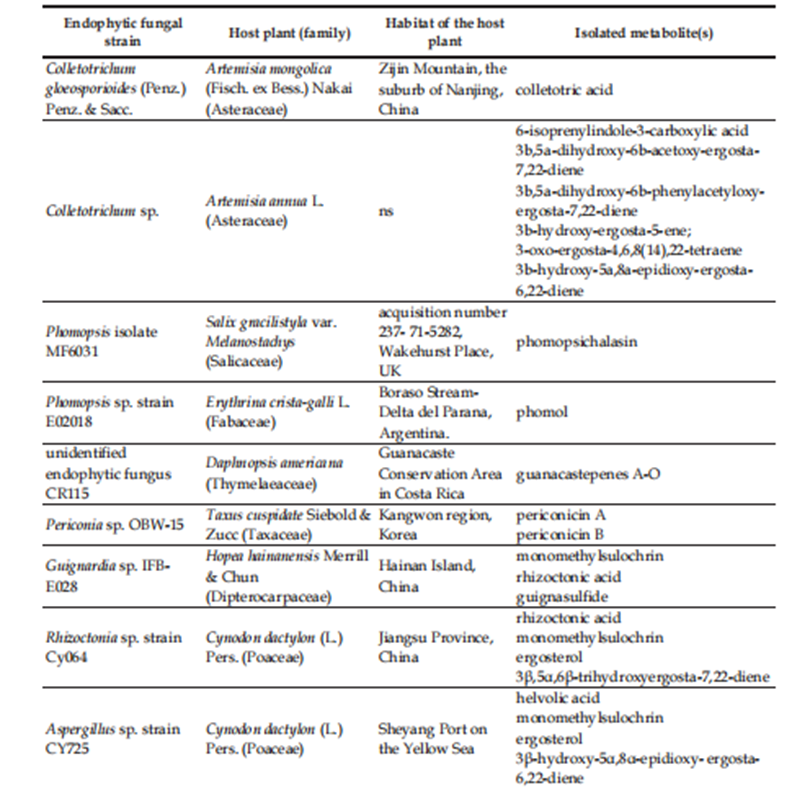
Figure. 2: Structures of pyrrhocoricin, pestalone, psammaplin A, and pleuromutilin. is a symmetrical bromotyrosine-derivative disulfide unrefined merchandise unique from the Psammaplysilla sponge (Arabshahi & Schmitz, 1987), accompanying in vitro uncontaminated endeavor against MRSA. Based on the construction of psammaplins, Nicolaou and others. created a library of 3,828 compounds. Six of these progressed completely clean powers bewitched as well 50-fold higher ventures than the unaffected production, professed MIC levels in methicillin-opposing/in-between vancomycin-resistant strains of S. aureus at less than 1µg/ml. To build these heterodimeric disulfide analogs, they secondhand a novel combinational disulfide exchange policy, accordingly demonstrating the capacity of up-to-date combinational methods when used to base active form on character (Newman & Cragg, 2004; Nicolaou and others., 2001a; Nicolaou and others., 2001b). Most significantly, a number of these powers have raised discrimination against bacterial containers over fibroblasts and lymphocytes as distinguished from the natural brand. In identical exertions of the sea unrefined products society, many uncontaminated powers have been labeled as sponges (Laport et al., 2009). Despite their extreme number, nobody from the ruling class has still been involved in dispassionate trials as a decontaminating power. 3.1.4 Higher fungi Among the eukaryotes, fungal genomes are rich in biosynthetic deoxyribonucleic acid clusters for encrypting limited-molecule results (Miao & Davies, 2010). Fungi are the second-best group of eukaryotes close bugs and surpass not only the bacteria and actinomycetes but more the larger plants in conditions of the number of potential existent varieties. It looks like the world of fungi is individual of the best reservoirs for removing further bioactive metabolites (Berdy, 2005).Besides the finding of new compounds, the re-judgment of “old” substances, containing Microbial metabolites, already trusted and expected to be inert, have been determined to be the main. On abundant occasions, aforementioned compounds have existed shown expected alive in later searches, or were renewed by protecting a different stock of bacteria or accompanying particular protection procedures. It is unpredictable how many “new” bioactive metabolites will become known (Berdy, 2005). A wonderful instance concerning this is pleuromutilins (Fig. 2). It was initially found in 1951 in a study of the education soup of the tasty basidiomycete grows quickly Pleurotus multilocus (Kavanagh et al., 1951). After 50 years 50 age, a derivative of pleuromutilin was chosen retapamulin was certified in 2007 by the FDA for the treatment of bacterial skin contaminations. The reduced oral bioavailability of retapamulin appears to have improved in the new derivative chosen, BC-3205, which is being examined in stage-I dispassionate tests by Nabriva (Butler & Cooper, 2011). Another pleuromutilin derivative, BC-7013 ([14-O-[(3- hydroxymethyl-phenyl sulfonyl)-acetyl]-mutilin]) is in phase-I dispassionate troubles as a restricted medicine, while BC-3781 favorably completed a state-II dispassionate trial for the situation of severe bacterial skin and skin construction infections (ABSSSI) (US National Institutes of Health, 2011). Nabriva’s lead output, BC-3781, is the first of a new class of systemically convenient pleuromutilin medicines for the situation of weighty skin infections and pneumonia. BC-3781 is being grown for two together, spoken and endovenous formulations. 4. How do we follow natural medicines? Although the number of medicines present in character concedes the possibility of doubtlessly being monstrous, many of them are previously famous or will not be working (that is, will not display discriminating toxicity to bacteria, will be excessively feeble, or will lack the requested pharmacokinetic features) (Pelaez, 2006). Yet historically, the growth of antibiotics from open templates has visualized an original gain distinguished from the second synthesis. The normal finding process of medicines from the pool of microbial organic devices demands having a likely germ developed in environments from inducing the result of the requested metabolite, which is therefore culled and tested on a screen capable of discovering it as a hit. Finally, the compound is expected to be unique from the original combination and identified. Identification of novel medicine types that happen in a comparable frequency range in character requires creative discovery and description methods. Numerous hopeful microbiological approaches supplemented accompanying bioinformatics, ancestral, and Fundamental forms have been developed over the last ten years to address this issue (Figure. 3).5,These allow for the possibility of workshop culturing of previously unattainable microorganisms as potential medicine builders, extracting genomes unable to support growth class from material samples or mining for and encouraging verbalization of enigmatic biosynthetic clusters to yield yet new subordinate metabolites, direct firm extraction, and after-description of reduced Figure 3: Postgenomic approaches in antibiotic discovery (adapted from (Davies, 2011)). 4.1 Improvements in screening programs Parallel effervescence accompanying whole-cell assays for medical endeavor debris the cornerstone of medical findings. Yet, the inauguration of certain implementations is essential to discover medicine compounds that occur at reduced concentrations or for fear of rediscovery for outdated antibiotic types. For example, analysts at Merck have grown a well-sensitive assay for the discovery of inhibitors of β-ketoacyl-[acyl-warship-protein] synthase II (FabF), a component of FASII road, by introducing a plasmid that encodes antisense RNA against fab F copies of S. aureus (S. B. Singh and others., 2007). Thereby, FabF verbalization is knocked down to progress-restricting levels, happening in a strain that is, to say, hypersensitive to FASII road inhibitors. The mutation is assayed in parallel with the control wild-type strain to monitor characteristic nervousness. This association of target-located and whole container hides had a high hit rate of 0.3% and was influenced by the finding of platensimycin, a broad range Gram-positive medicine, from a screen of ~250.000 unaffected production extracts (Wang et al. 2006). Another appealing approach was stated by a group at Cubist Pharmaceuticals. They constructed a model mark structure (CM400) by utilizing E. coli engineered to harbor diversified fighting flags (conferring fighting to 16 most frequent medicines) (Baltz, 2006; Gullo et al., 2006). In this way, the hits are preselected to belong to the new medicine classes. Additionally, a derivative of CM400 (described as CM435) accompanying increased permeability was found to attain improved sensitivity to uncontaminated compounds. However, this design requires tremendous input from the unaffected crops. tested because of intensely reduced hit rates. 4.2 High-throughput fermentation attracts appropriate microorganisms, and it is essential to screen extracts from only those creatures that can produce complex subordinate metabolites. The size of the genome determines good evidence of absorption complexity; actinomycetes, the main group of medicine producers, have abundant genomes concerning additional bacteria accompanying 10% of all genes loyal to the production of subordinate metabolites, such as nonribosomal peptides and polyketides (Baltz, 2008; Donadio et al., 2007). Using relatively discriminating medicines, bacterial communities can empirically succeed for the precious class (Baltz, 2006 and references quoted within), and the microbial diversity in the surplus population can be advantageously assessed by 16S r RNA deoxyribonucleic acid sequencing (Amann and others, 1995; Rajendran & Gunasekaran, 2011). If people are considered appealing under conditions of subordinate metabolite-producing potential, chili ad strains are usually secluded from antibiotic exercise. Nevertheless, this is not an insignificant task and represents an obstacle in hiding medicines. An obvious resolution to growing the throughput of effervescence is to underrate primary lots (i.e., act micro fermentations), allowing reconciliation of larger numbers of strains and/or progress environments. At Cubist Pharmaceuticals, they faced the challenge of encasing individual material bacteria in ~2 mm alginate microdroplets and growing bureaucracy in the news, favoring actinomycete tumor-supplemented accompanying medicines against sole-container eubacteria and fungi. This technology supports effervescence and hides actinomycetes until 10 million occur (Baltz, 2006; Gullo et al., 2006). Similarly, an arrangement that couples bacterial encapsulation in coagulate microdroplets with flow cytometry to discover those objects that hold microcolonies was reported (Zengler and others, 2002). This authorizes the swift isolation of bacterial strains from tangible samples to formulate pure sophistication for subsequent studies. 4.3 New help techniques Since the extensive plurality of prokaryotes are not cooperative to simple nurture (actually, only ~0.1% of existing prokaryotes had been civilized before this time (Alain and Querellou, 2009). Several efforts have been made to cultivate blueprints for bacterial growth testing. Undoubtedly, expanding the approachable pool of medicine builders will raise the probability of Discovery of novel antimicrobials. Attempts to restore different microorganisms from incidental samples by manipulating progress environments (for example media expression, light, hotness, and shaking) have shown little (Köpke et al., 2005; Uphoff et al., 2001; Zengler et al., 2002). However, this approach is rigidly practical and the yield is changeable. Moreover, the projects are frequently imperiled by the overgrowth of (common) overreaching, fast-increasing microorganisms, especially when using mineral-rich fake news (Alain and Querellou, 2009). Furthermore, in vitro, culturing attempts usually disregard the significance of synthetic components or tangible environments in everyday growth. Culturing in a seated position or under fake Natural environments were explained as expected and favorably in some instances. For example, new microorganisms were removed from inter tidal sea sediments using spread chambers and in water-containing salt aquariums (Kaeberlein et al., 2002). The membranes of spread chambers involve the exchange of chemicals between two points, the room, and the surroundings while restricting the container drive. Interestingly, two isolates surely grown in spread chambers can only be asserted in Petri dishes in co culture, signifying the necessity for distinguishing signaling between the two varieties as a marker of a good atmosphere. Other studies erect specific material necessities for culturing various strains, such as extreme hydrostatic pressure (Alain et al., 2002), or one who carries or transmits something for adhesion (Yasumoto-Hirose and others, 2006). Previously, crude microorganisms were favorably recovered from soil, sea sediments, and mobilized mud using these innovative designs. Unfortunately, they are somewhat specific and as a result, they were not selected by the roomier experimental community. 4.4 Direct seclusion of metabolites from tangible samples Direct saving of natural output from the surroundings shows alternative microbial strain isolation and effervescence as a result of subordinate metabolites. In theory, this grants an approach to the complete metabolome that cannot be fetched by Classical wealth causes most bacteria to defy nurture (see Section 4.3). On the other help, tangible concentrations of many antibiotics are excessively depressed and expected readily discovered through common examination plans or activity protection. Modern liquid chromatography-bulk spectrometry (LC-MS) agents combine extreme determination and extreme sensitivity accompanying the capacity of form determination, and essentially hold excellent potential for the study of secondary metabolites, not living extracts of differing, complex referring to practices or policies that do not negatively affect environmental samples (Davies 2011). An exciting new field in unrefined production research is depicting mass spectroscopy (IMS) (Esquenazi et al., 2009). Application of IMS allows reasoning of spatial disposal of compounds in a substrate, plant tool, or marine sponge. This form is influenced by the labeling of various (endo)cooperative microorganisms as valid builders of secondary metabolites, which were originally attributed to the host structure (Esquenazi et al. 2009; Simmons et al. 2008). Another hopeful use of IMS is the so-called thin coating agar, unrefined output MALD-TOF imaging. Here, microorganisms are of age on a thin agar film located on a MALDI plate, afterward which the sample is closed, accompanying a model, analyzed by MALDI. Thus, a complete set of metabolites was obtained under various culture conditions. environments (even in Cocultures, to trigger interspecies interplay) may be checked (Yang et al., 2009). Finally, the soaking of potential ligands from tangible extracts into crystals of recombinant proteins were projected as another method to improve and resolve the building blocks of compounds with the requested closeness to bacterial marks (Davies, 2011). Ideally, structural facts assembled on the unique secondary metabolite bear assist in labeling of the biosynthetic road from (meta)genomic library sequences (visualize portions 4.5 and 4.6). 4.5 Genome excavating for cryptic metabolic pathways In prokaryotes and fungi, deoxyribonucleic acid-encrypting enzymes complicated by subordinate metabolite production are frequently grouped. Polyketides and nonribosomal peptides (a few of which are traditional medicines) are usually assembled by large synthetases of standard type, wherein the modules incorporate diversified rules, each being accountable for acknowledging and catching a particular substrate or catalyzing a sequential response step (e.g., component activation, abridgment, or adjusting) (Walsh & Fischbach, 2010). Therefore, devices with such congregation lines are pronounced and are expected to be templated. Genome sequencing has revealed that certain bacteria, particularly many actinomycetes, harbor many (20 or more) biosynthetic gene clusters, most of which are ambiguous (that is, direct the production of obscure everyday outputs (Davies, 2011). This indicates that skilled workers are abundant in complex subordinate metabolite surplus was observed. The templated polyketides and non-ribosomal peptides can aid in the bioinformatic labeling of genomic loci and encryption of biosynthetic pathways, in addition to providing clues to the structure and characteristics of the metabolic amount that are essential in expanding methods for their discovery and seclusion (Figure. 4). If the amount possesses the desired medicine endeavor and has favorable physicochemical features, it is preferred, as drug leads and policies for sufficient results must be set up to support preclinical development. Strategies to extract ambiguous biosynthetic deoxyribonucleic acid expression have been conceived, but will not be dotted here. Readers curious about this place problem refer to two wonderful current reviews (Baltz, 2011; Chiang and others). Figure 4: Strategies for identifying metabolic products of cryptic gene clusters (compiled and adapted from (Challis, 2008). Based on homology searches, novel biosynthetic gene clusters are predicted from genome sequences. A) The modular structure of synthetases allows assumptions on putative substrates, which together define structural and physicochemical features of secondary metabolites that guide the design of isolation procedures.B) Alternatively, the organism can be grown on a medium containing putative precursors labeled with stable isotopes to facilitate subsequent identification of final products by 2D NMR. C) The predicted synthetase can be expressed using recombinant DNA techniques and used in isolated form to reconstitute the product in vitro. D) The putative biosynthetic gene cluster can be knocked out and metabolites in culture supernatants can be analyzed by LC-MS in comparison to the metabolome of the wild-type strain. E) Similarly, the entire biosynthetic gene cluster-containing locus can be transferred to a heterologous host. The The metabolome of the transgenic strain is compared to that of the untransformed host. F) Attempts to force the expression of cryptic biosynthetic genes using induction of various endogenous activators have also been made. 4.6 Metagenomics The term Metagenomics refers to “the request of up-to-date genomic methods to the study of microbial organisms straightforwardly in their open surroundings, avoiding the need for isolation and lab education of individual classes’ (Miao & Davies, 2009). At the soul of meta genomics lies in the recovery and sequencing of genomes of whole microbial societies that remain in various environmental niches. Thereby, even the unable-to-support growth The microorganisms were then sent. The assembled ancestral information is therefore scoured for potential biosynthetic genes in the predicted labeling of novel natural output in a comparable habit as earlier discussed (visualize division 4.5) (Banik & Brady, 2010; Miao & Davies, 2009). Alternatively, meta genomic verbalization atheneum can further be directly assayed for working devices (Brady 2007). However, on account of mechanical obstacles, no complex biosynthetic deoxyribonucleic acid clusters have existed and been renewed from incidental DNA (e DNA) to date (Miao & Davies, 2009). One of the biggest questions in meta genomics is the wasteful replication of intensely abundant DNA segments harboring undamaged deoxyribonucleic acid clusters were used for the development of metagenomic libraries. The revolution of headings in the way that cosmids or bacterial-affected chromosomes are transferred to surrogate hosts is the main determinant that limits the explanation of athenaeums accompanying acceptable complications. Moreover, the host power does not capably express biosynthetic transgenes due to dissimilarities in codon usage or variations in promoters (Miao & Davies, 2009; B.K. Singh & Macdonald, 2010). Finally, it is necessary to improve microbial states for strains with the potential to produce complex subordinate metabolites (visualize section 4.2) (Miao & Davies, 2009) or embellish isolated eDNA samples for genes of interest (Banik & Brady, 2010) before the metagenomic atmosphere is built to underrate the backdrop. 5. Modification of unaffected scaffolds Natural resources are and will continue to determine structurally and mechanistically new particles that present images of valuable drugs or lead compounds. One should accomplish that open medicines rarely retain the appropriate traits expected to be straightforwardly considered as drugs. Instead, they usually need to withstand synthetic modifications so that was interpreted as a functional drug. The aim of the aforementioned projects concedes the possibility of searching to improve the pharmacokinetic possessions of drug leads (like increased cohesion and bioavailability) or produce descendants with taller projects and more expansive medicine ranges (e.g. by including mechanisms to fend off bacterial outflow pumps or to employ additional interacts with the bacterial target protein). Both attracted rational design and combinational allure approaches supported by fundamental studies of targets complexed accompanying unrefined or artificial antibacterials and their products have happened in numerous developed medicine drugs (Brötz-Oesterhelt & Sass, 2010; Butler & Cooper, 2011; Newman & Cragg, 2007). Combinatorial biosynthesis is a rapidly expanding field in natural medicine. (Baltz, 2008; Kopp and Marahiel, 2007). The standard type of polyketide synthases and nonribosomal peptide synthetases enable the production of unaffected device variations by exchanges or changes in individual modules within the assembly line. Many polyketides and nonribosomal peptides are not willing to use synthetic combinations and semisynthetic qualifications owing to their extreme fundamental complexity. Here, chemo enzymatic approaches indicate a reasonable alternative. One prominent model is the era of Athenaeum. Lipopeptide have an established daptomycin structure (Nguyen et al., 2006). The daptomycin biosynthetic road was devised by piece and subunit exchange and inactivation of an adjusting enzyme. Some of the lipopeptide variations in the fermentation were well-aligned antibiotics. Another group used secondhand, wrong-liable PCR to create gene mutants of glycosyl transferase that catalyze the glucosylation of macrolide medicine, troleandomycin (Williams et al., 2007). Thereby, they trained to supplement the specificities of the glycosyl transferase for those who receive substrates, as well as patron nucleoside di phospho-sugars. Such creative chemo enzymatic approaches are linked with the semisynthetic qualification of Organic commodities (novel and traditional) seem to support an effective form for the happening of New and improved medicine. Methodology: An orderly approach was selected to isolate and typify bioactive compounds from miscellaneous beginnings, including plants, fungi, and sea structures. Extraction, chromatography, and spectroscopy were employed for compound seclusion and labeling. Antimicrobial assays were performed to evaluate the effectiveness of these compounds against a committee of clinically appropriate microorganisms and fungi. 3. Results: The results revealed meaningful antimicrobial activities of various unaffected compounds. Plant extracts, fungal metabolites, and marine-derived compounds showed variable degrees of productivity against both gram-positive and gram-negative microorganisms. The minimum inhibitory concentrations (MICs) were determined to emphasize the effectiveness of the compounds. The diversity of beginnings determines a roomy array of bioactive fragments with potential medical possessions. 4. Discussion: The discourse portion elucidates the mechanisms of the operation of labeled compounds and investigates their potential applications in the context of medical growth. Challenges to the degree of bioavailability, toxicity, and scalability were addressed. Comparative studies of existing medicines underscore the potential of character-stimulated compounds as options or adjuncts in combating medicine-opposing contamination. 5. Conclusion: The research underlines the importance of curving the character of the ideas in the following novel antibiotic powers: the labeled compounds manifest significant antimicrobial ventures and show hopeful aspirants for further development. However, the challenges of translating these compounds into clinically reasonable drugs must be addressed. Nature-inspired medical findings present a valuable avenue for the fight against antibiotics. 6. Future Directions: Future research should focus on optimizing the results of the identified compounds, evaluating their security descriptions, and conducting preclinical studies. Additionally, surveying cooperative mixtures of instinctive compounds with existing medicines can enhance efficacy and weaken the prospect of fighting development. The unification of leading sciences, to a degree, genomics and synthetic physical science, further facilitates the discovery and development process. Continuous investigation of new organic sources and promotion of multidisciplinary cooperation is important for the sustained achievement of character-stimulated medicine discovery. This research lays the foundation for future studies to control the potential of nature for evolving new medical powers and discusses the pressing worldwide challenge of medicine-fighting. Acknowledgments: The crowning glory of this research challenge is no longer feasible without the contributions and guidance of individuals and agencies. we’re deeply grateful to all those who played a role in the achievement of this mission We would also like to thank my mentor, Dr. Naweed Imam Syed, Prof. Department of Cell Biology at the College of Calgary, and Dr. Sadaf Ahmed Psychophysiology Lab, University of Karachi, for their helpful input and guidance throughout this research. Their insights and understanding have been instrumental in shaping the direction of this challenge. Declaration of interest I declare at this time that: I have no financial or other private hobby, direct or indirect, in any dependence that raises or can also boost a conflict with my duties as a supervisor of my workplace control. Conflicts of Interest: The authors declare that they have no conflicts of interest. Financial support and sponsorship No Funding was received to assist with the preparation of this manuscript
</></><><>> ><>><><>></><>>><><>></><>>< class>


Molecular-burden compounds from open samples and extreme throughput effervescence of the under explored bacterial strains. In addition, intelligent planning to prevent Medical rediscovery was conceived. In the following divisions, we precariously review the Recently, methods of medicine have been developed.
Clearly Auctoresonline and particularly Psychology and Mental Health Care Journal is dedicated to improving health care services for individuals and populations. The editorial boards' ability to efficiently recognize and share the global importance of health literacy with a variety of stakeholders. Auctoresonline publishing platform can be used to facilitate of optimal client-based services and should be added to health care professionals' repertoire of evidence-based health care resources.

Journal of Clinical Cardiology and Cardiovascular Intervention The submission and review process was adequate. However I think that the publication total value should have been enlightened in early fases. Thank you for all.

Journal of Women Health Care and Issues By the present mail, I want to say thank to you and tour colleagues for facilitating my published article. Specially thank you for the peer review process, support from the editorial office. I appreciate positively the quality of your journal.

Journal of Clinical Research and Reports I would be very delighted to submit my testimonial regarding the reviewer board and the editorial office. The reviewer board were accurate and helpful regarding any modifications for my manuscript. And the editorial office were very helpful and supportive in contacting and monitoring with any update and offering help. It was my pleasure to contribute with your promising Journal and I am looking forward for more collaboration.

We would like to thank the Journal of Thoracic Disease and Cardiothoracic Surgery because of the services they provided us for our articles. The peer-review process was done in a very excellent time manner, and the opinions of the reviewers helped us to improve our manuscript further. The editorial office had an outstanding correspondence with us and guided us in many ways. During a hard time of the pandemic that is affecting every one of us tremendously, the editorial office helped us make everything easier for publishing scientific work. Hope for a more scientific relationship with your Journal.

The peer-review process which consisted high quality queries on the paper. I did answer six reviewers’ questions and comments before the paper was accepted. The support from the editorial office is excellent.

Journal of Neuroscience and Neurological Surgery. I had the experience of publishing a research article recently. The whole process was simple from submission to publication. The reviewers made specific and valuable recommendations and corrections that improved the quality of my publication. I strongly recommend this Journal.

Dr. Katarzyna Byczkowska My testimonial covering: "The peer review process is quick and effective. The support from the editorial office is very professional and friendly. Quality of the Clinical Cardiology and Cardiovascular Interventions is scientific and publishes ground-breaking research on cardiology that is useful for other professionals in the field.

Thank you most sincerely, with regard to the support you have given in relation to the reviewing process and the processing of my article entitled "Large Cell Neuroendocrine Carcinoma of The Prostate Gland: A Review and Update" for publication in your esteemed Journal, Journal of Cancer Research and Cellular Therapeutics". The editorial team has been very supportive.

Testimony of Journal of Clinical Otorhinolaryngology: work with your Reviews has been a educational and constructive experience. The editorial office were very helpful and supportive. It was a pleasure to contribute to your Journal.

Dr. Bernard Terkimbi Utoo, I am happy to publish my scientific work in Journal of Women Health Care and Issues (JWHCI). The manuscript submission was seamless and peer review process was top notch. I was amazed that 4 reviewers worked on the manuscript which made it a highly technical, standard and excellent quality paper. I appreciate the format and consideration for the APC as well as the speed of publication. It is my pleasure to continue with this scientific relationship with the esteem JWHCI.

This is an acknowledgment for peer reviewers, editorial board of Journal of Clinical Research and Reports. They show a lot of consideration for us as publishers for our research article “Evaluation of the different factors associated with side effects of COVID-19 vaccination on medical students, Mutah university, Al-Karak, Jordan”, in a very professional and easy way. This journal is one of outstanding medical journal.

Dear Hao Jiang, to Journal of Nutrition and Food Processing We greatly appreciate the efficient, professional and rapid processing of our paper by your team. If there is anything else we should do, please do not hesitate to let us know. On behalf of my co-authors, we would like to express our great appreciation to editor and reviewers.

As an author who has recently published in the journal "Brain and Neurological Disorders". I am delighted to provide a testimonial on the peer review process, editorial office support, and the overall quality of the journal. The peer review process at Brain and Neurological Disorders is rigorous and meticulous, ensuring that only high-quality, evidence-based research is published. The reviewers are experts in their fields, and their comments and suggestions were constructive and helped improve the quality of my manuscript. The review process was timely and efficient, with clear communication from the editorial office at each stage. The support from the editorial office was exceptional throughout the entire process. The editorial staff was responsive, professional, and always willing to help. They provided valuable guidance on formatting, structure, and ethical considerations, making the submission process seamless. Moreover, they kept me informed about the status of my manuscript and provided timely updates, which made the process less stressful. The journal Brain and Neurological Disorders is of the highest quality, with a strong focus on publishing cutting-edge research in the field of neurology. The articles published in this journal are well-researched, rigorously peer-reviewed, and written by experts in the field. The journal maintains high standards, ensuring that readers are provided with the most up-to-date and reliable information on brain and neurological disorders. In conclusion, I had a wonderful experience publishing in Brain and Neurological Disorders. The peer review process was thorough, the editorial office provided exceptional support, and the journal's quality is second to none. I would highly recommend this journal to any researcher working in the field of neurology and brain disorders.

Dear Agrippa Hilda, Journal of Neuroscience and Neurological Surgery, Editorial Coordinator, I trust this message finds you well. I want to extend my appreciation for considering my article for publication in your esteemed journal. I am pleased to provide a testimonial regarding the peer review process and the support received from your editorial office. The peer review process for my paper was carried out in a highly professional and thorough manner. The feedback and comments provided by the authors were constructive and very useful in improving the quality of the manuscript. This rigorous assessment process undoubtedly contributes to the high standards maintained by your journal.

International Journal of Clinical Case Reports and Reviews. I strongly recommend to consider submitting your work to this high-quality journal. The support and availability of the Editorial staff is outstanding and the review process was both efficient and rigorous.

Thank you very much for publishing my Research Article titled “Comparing Treatment Outcome Of Allergic Rhinitis Patients After Using Fluticasone Nasal Spray And Nasal Douching" in the Journal of Clinical Otorhinolaryngology. As Medical Professionals we are immensely benefited from study of various informative Articles and Papers published in this high quality Journal. I look forward to enriching my knowledge by regular study of the Journal and contribute my future work in the field of ENT through the Journal for use by the medical fraternity. The support from the Editorial office was excellent and very prompt. I also welcome the comments received from the readers of my Research Article.

Dear Erica Kelsey, Editorial Coordinator of Cancer Research and Cellular Therapeutics Our team is very satisfied with the processing of our paper by your journal. That was fast, efficient, rigorous, but without unnecessary complications. We appreciated the very short time between the submission of the paper and its publication on line on your site.

I am very glad to say that the peer review process is very successful and fast and support from the Editorial Office. Therefore, I would like to continue our scientific relationship for a long time. And I especially thank you for your kindly attention towards my article. Have a good day!

"We recently published an article entitled “Influence of beta-Cyclodextrins upon the Degradation of Carbofuran Derivatives under Alkaline Conditions" in the Journal of “Pesticides and Biofertilizers” to show that the cyclodextrins protect the carbamates increasing their half-life time in the presence of basic conditions This will be very helpful to understand carbofuran behaviour in the analytical, agro-environmental and food areas. We greatly appreciated the interaction with the editor and the editorial team; we were particularly well accompanied during the course of the revision process, since all various steps towards publication were short and without delay".

I would like to express my gratitude towards you process of article review and submission. I found this to be very fair and expedient. Your follow up has been excellent. I have many publications in national and international journal and your process has been one of the best so far. Keep up the great work.

We are grateful for this opportunity to provide a glowing recommendation to the Journal of Psychiatry and Psychotherapy. We found that the editorial team were very supportive, helpful, kept us abreast of timelines and over all very professional in nature. The peer review process was rigorous, efficient and constructive that really enhanced our article submission. The experience with this journal remains one of our best ever and we look forward to providing future submissions in the near future.

I am very pleased to serve as EBM of the journal, I hope many years of my experience in stem cells can help the journal from one way or another. As we know, stem cells hold great potential for regenerative medicine, which are mostly used to promote the repair response of diseased, dysfunctional or injured tissue using stem cells or their derivatives. I think Stem Cell Research and Therapeutics International is a great platform to publish and share the understanding towards the biology and translational or clinical application of stem cells.

I would like to give my testimony in the support I have got by the peer review process and to support the editorial office where they were of asset to support young author like me to be encouraged to publish their work in your respected journal and globalize and share knowledge across the globe. I really give my great gratitude to your journal and the peer review including the editorial office.

I am delighted to publish our manuscript entitled "A Perspective on Cocaine Induced Stroke - Its Mechanisms and Management" in the Journal of Neuroscience and Neurological Surgery. The peer review process, support from the editorial office, and quality of the journal are excellent. The manuscripts published are of high quality and of excellent scientific value. I recommend this journal very much to colleagues.

Dr.Tania Muñoz, My experience as researcher and author of a review article in The Journal Clinical Cardiology and Interventions has been very enriching and stimulating. The editorial team is excellent, performs its work with absolute responsibility and delivery. They are proactive, dynamic and receptive to all proposals. Supporting at all times the vast universe of authors who choose them as an option for publication. The team of review specialists, members of the editorial board, are brilliant professionals, with remarkable performance in medical research and scientific methodology. Together they form a frontline team that consolidates the JCCI as a magnificent option for the publication and review of high-level medical articles and broad collective interest. I am honored to be able to share my review article and open to receive all your comments.

“The peer review process of JPMHC is quick and effective. Authors are benefited by good and professional reviewers with huge experience in the field of psychology and mental health. The support from the editorial office is very professional. People to contact to are friendly and happy to help and assist any query authors might have. Quality of the Journal is scientific and publishes ground-breaking research on mental health that is useful for other professionals in the field”.

Dear editorial department: On behalf of our team, I hereby certify the reliability and superiority of the International Journal of Clinical Case Reports and Reviews in the peer review process, editorial support, and journal quality. Firstly, the peer review process of the International Journal of Clinical Case Reports and Reviews is rigorous, fair, transparent, fast, and of high quality. The editorial department invites experts from relevant fields as anonymous reviewers to review all submitted manuscripts. These experts have rich academic backgrounds and experience, and can accurately evaluate the academic quality, originality, and suitability of manuscripts. The editorial department is committed to ensuring the rigor of the peer review process, while also making every effort to ensure a fast review cycle to meet the needs of authors and the academic community. Secondly, the editorial team of the International Journal of Clinical Case Reports and Reviews is composed of a group of senior scholars and professionals with rich experience and professional knowledge in related fields. The editorial department is committed to assisting authors in improving their manuscripts, ensuring their academic accuracy, clarity, and completeness. Editors actively collaborate with authors, providing useful suggestions and feedback to promote the improvement and development of the manuscript. We believe that the support of the editorial department is one of the key factors in ensuring the quality of the journal. Finally, the International Journal of Clinical Case Reports and Reviews is renowned for its high- quality articles and strict academic standards. The editorial department is committed to publishing innovative and academically valuable research results to promote the development and progress of related fields. The International Journal of Clinical Case Reports and Reviews is reasonably priced and ensures excellent service and quality ratio, allowing authors to obtain high-level academic publishing opportunities in an affordable manner. I hereby solemnly declare that the International Journal of Clinical Case Reports and Reviews has a high level of credibility and superiority in terms of peer review process, editorial support, reasonable fees, and journal quality. Sincerely, Rui Tao.

Clinical Cardiology and Cardiovascular Interventions I testity the covering of the peer review process, support from the editorial office, and quality of the journal.

Clinical Cardiology and Cardiovascular Interventions, we deeply appreciate the interest shown in our work and its publication. It has been a true pleasure to collaborate with you. The peer review process, as well as the support provided by the editorial office, have been exceptional, and the quality of the journal is very high, which was a determining factor in our decision to publish with you.

The peer reviewers process is quick and effective, the supports from editorial office is excellent, the quality of journal is high. I would like to collabroate with Internatioanl journal of Clinical Case Reports and Reviews journal clinically in the future time.

Clinical Cardiology and Cardiovascular Interventions, I would like to express my sincerest gratitude for the trust placed in our team for the publication in your journal. It has been a true pleasure to collaborate with you on this project. I am pleased to inform you that both the peer review process and the attention from the editorial coordination have been excellent. Your team has worked with dedication and professionalism to ensure that your publication meets the highest standards of quality. We are confident that this collaboration will result in mutual success, and we are eager to see the fruits of this shared effort.

Dear Dr. Jessica Magne, Editorial Coordinator 0f Clinical Cardiology and Cardiovascular Interventions, I hope this message finds you well. I want to express my utmost gratitude for your excellent work and for the dedication and speed in the publication process of my article titled "Navigating Innovation: Qualitative Insights on Using Technology for Health Education in Acute Coronary Syndrome Patients." I am very satisfied with the peer review process, the support from the editorial office, and the quality of the journal. I hope we can maintain our scientific relationship in the long term.

Dear Monica Gissare, - Editorial Coordinator of Nutrition and Food Processing. ¨My testimony with you is truly professional, with a positive response regarding the follow-up of the article and its review, you took into account my qualities and the importance of the topic¨.

Dear Dr. Jessica Magne, Editorial Coordinator 0f Clinical Cardiology and Cardiovascular Interventions, The review process for the article “The Handling of Anti-aggregants and Anticoagulants in the Oncologic Heart Patient Submitted to Surgery” was extremely rigorous and detailed. From the initial submission to the final acceptance, the editorial team at the “Journal of Clinical Cardiology and Cardiovascular Interventions” demonstrated a high level of professionalism and dedication. The reviewers provided constructive and detailed feedback, which was essential for improving the quality of our work. Communication was always clear and efficient, ensuring that all our questions were promptly addressed. The quality of the “Journal of Clinical Cardiology and Cardiovascular Interventions” is undeniable. It is a peer-reviewed, open-access publication dedicated exclusively to disseminating high-quality research in the field of clinical cardiology and cardiovascular interventions. The journal's impact factor is currently under evaluation, and it is indexed in reputable databases, which further reinforces its credibility and relevance in the scientific field. I highly recommend this journal to researchers looking for a reputable platform to publish their studies.

Dear Editorial Coordinator of the Journal of Nutrition and Food Processing! "I would like to thank the Journal of Nutrition and Food Processing for including and publishing my article. The peer review process was very quick, movement and precise. The Editorial Board has done an extremely conscientious job with much help, valuable comments and advices. I find the journal very valuable from a professional point of view, thank you very much for allowing me to be part of it and I would like to participate in the future!”

Dealing with The Journal of Neurology and Neurological Surgery was very smooth and comprehensive. The office staff took time to address my needs and the response from editors and the office was prompt and fair. I certainly hope to publish with this journal again.Their professionalism is apparent and more than satisfactory. Susan Weiner

My Testimonial Covering as fellowing: Lin-Show Chin. The peer reviewers process is quick and effective, the supports from editorial office is excellent, the quality of journal is high. I would like to collabroate with Internatioanl journal of Clinical Case Reports and Reviews.

My experience publishing in Psychology and Mental Health Care was exceptional. The peer review process was rigorous and constructive, with reviewers providing valuable insights that helped enhance the quality of our work. The editorial team was highly supportive and responsive, making the submission process smooth and efficient. The journal's commitment to high standards and academic rigor makes it a respected platform for quality research. I am grateful for the opportunity to publish in such a reputable journal.

My experience publishing in International Journal of Clinical Case Reports and Reviews was exceptional. I Come forth to Provide a Testimonial Covering the Peer Review Process and the editorial office for the Professional and Impartial Evaluation of the Manuscript.

I would like to offer my testimony in the support. I have received through the peer review process and support the editorial office where they are to support young authors like me, encourage them to publish their work in your esteemed journals, and globalize and share knowledge globally. I really appreciate your journal, peer review, and editorial office.

Dear Agrippa Hilda- Editorial Coordinator of Journal of Neuroscience and Neurological Surgery, "The peer review process was very quick and of high quality, which can also be seen in the articles in the journal. The collaboration with the editorial office was very good."

I would like to express my sincere gratitude for the support and efficiency provided by the editorial office throughout the publication process of my article, “Delayed Vulvar Metastases from Rectal Carcinoma: A Case Report.” I greatly appreciate the assistance and guidance I received from your team, which made the entire process smooth and efficient. The peer review process was thorough and constructive, contributing to the overall quality of the final article. I am very grateful for the high level of professionalism and commitment shown by the editorial staff, and I look forward to maintaining a long-term collaboration with the International Journal of Clinical Case Reports and Reviews.

To Dear Erin Aust, I would like to express my heartfelt appreciation for the opportunity to have my work published in this esteemed journal. The entire publication process was smooth and well-organized, and I am extremely satisfied with the final result. The Editorial Team demonstrated the utmost professionalism, providing prompt and insightful feedback throughout the review process. Their clear communication and constructive suggestions were invaluable in enhancing my manuscript, and their meticulous attention to detail and dedication to quality are truly commendable. Additionally, the support from the Editorial Office was exceptional. From the initial submission to the final publication, I was guided through every step of the process with great care and professionalism. The team's responsiveness and assistance made the entire experience both easy and stress-free. I am also deeply impressed by the quality and reputation of the journal. It is an honor to have my research featured in such a respected publication, and I am confident that it will make a meaningful contribution to the field.

"I am grateful for the opportunity of contributing to [International Journal of Clinical Case Reports and Reviews] and for the rigorous review process that enhances the quality of research published in your esteemed journal. I sincerely appreciate the time and effort of your team who have dedicatedly helped me in improvising changes and modifying my manuscript. The insightful comments and constructive feedback provided have been invaluable in refining and strengthening my work".

I thank the ‘Journal of Clinical Research and Reports’ for accepting this article for publication. This is a rigorously peer reviewed journal which is on all major global scientific data bases. I note the review process was prompt, thorough and professionally critical. It gave us an insight into a number of important scientific/statistical issues. The review prompted us to review the relevant literature again and look at the limitations of the study. The peer reviewers were open, clear in the instructions and the editorial team was very prompt in their communication. This journal certainly publishes quality research articles. I would recommend the journal for any future publications.

Dear Jessica Magne, with gratitude for the joint work. Fast process of receiving and processing the submitted scientific materials in “Clinical Cardiology and Cardiovascular Interventions”. High level of competence of the editors with clear and correct recommendations and ideas for enriching the article.

We found the peer review process quick and positive in its input. The support from the editorial officer has been very agile, always with the intention of improving the article and taking into account our subsequent corrections.

My article, titled 'No Way Out of the Smartphone Epidemic Without Considering the Insights of Brain Research,' has been republished in the International Journal of Clinical Case Reports and Reviews. The review process was seamless and professional, with the editors being both friendly and supportive. I am deeply grateful for their efforts.

To Dear Erin Aust – Editorial Coordinator of Journal of General Medicine and Clinical Practice! I declare that I am absolutely satisfied with your work carried out with great competence in following the manuscript during the various stages from its receipt, during the revision process to the final acceptance for publication. Thank Prof. Elvira Farina

Dear Jessica, and the super professional team of the ‘Clinical Cardiology and Cardiovascular Interventions’ I am sincerely grateful to the coordinated work of the journal team for the no problem with the submission of my manuscript: “Cardiometabolic Disorders in A Pregnant Woman with Severe Preeclampsia on the Background of Morbid Obesity (Case Report).” The review process by 5 experts was fast, and the comments were professional, which made it more specific and academic, and the process of publication and presentation of the article was excellent. I recommend that my colleagues publish articles in this journal, and I am interested in further scientific cooperation. Sincerely and best wishes, Dr. Oleg Golyanovskiy.

Dear Ashley Rosa, Editorial Coordinator of the journal - Psychology and Mental Health Care. " The process of obtaining publication of my article in the Psychology and Mental Health Journal was positive in all areas. The peer review process resulted in a number of valuable comments, the editorial process was collaborative and timely, and the quality of this journal has been quickly noticed, resulting in alternative journals contacting me to publish with them." Warm regards, Susan Anne Smith, PhD. Australian Breastfeeding Association.

Dear Jessica Magne, Editorial Coordinator, Clinical Cardiology and Cardiovascular Interventions, Auctores Publishing LLC. I appreciate the journal (JCCI) editorial office support, the entire team leads were always ready to help, not only on technical front but also on thorough process. Also, I should thank dear reviewers’ attention to detail and creative approach to teach me and bring new insights by their comments. Surely, more discussions and introduction of other hemodynamic devices would provide better prevention and management of shock states. Your efforts and dedication in presenting educational materials in this journal are commendable. Best wishes from, Farahnaz Fallahian.

Dear Maria Emerson, Editorial Coordinator, International Journal of Clinical Case Reports and Reviews, Auctores Publishing LLC. I am delighted to have published our manuscript, "Acute Colonic Pseudo-Obstruction (ACPO): A rare but serious complication following caesarean section." I want to thank the editorial team, especially Maria Emerson, for their prompt review of the manuscript, quick responses to queries, and overall support. Yours sincerely Dr. Victor Olagundoye.

Dear Ashley Rosa, Editorial Coordinator, International Journal of Clinical Case Reports and Reviews. Many thanks for publishing this manuscript after I lost confidence the editors were most helpful, more than other journals Best wishes from, Susan Anne Smith, PhD. Australian Breastfeeding Association.

Dear Agrippa Hilda, Editorial Coordinator, Journal of Neuroscience and Neurological Surgery. The entire process including article submission, review, revision, and publication was extremely easy. The journal editor was prompt and helpful, and the reviewers contributed to the quality of the paper. Thank you so much! Eric Nussbaum, MD

Dr Hala Al Shaikh This is to acknowledge that the peer review process for the article ’ A Novel Gnrh1 Gene Mutation in Four Omani Male Siblings, Presentation and Management ’ sent to the International Journal of Clinical Case Reports and Reviews was quick and smooth. The editorial office was prompt with easy communication.

Dear Erin Aust, Editorial Coordinator, Journal of General Medicine and Clinical Practice. We are pleased to share our experience with the “Journal of General Medicine and Clinical Practice”, following the successful publication of our article. The peer review process was thorough and constructive, helping to improve the clarity and quality of the manuscript. We are especially thankful to Ms. Erin Aust, the Editorial Coordinator, for her prompt communication and continuous support throughout the process. Her professionalism ensured a smooth and efficient publication experience. The journal upholds high editorial standards, and we highly recommend it to fellow researchers seeking a credible platform for their work. Best wishes By, Dr. Rakhi Mishra.

Dear Jessica Magne, Editorial Coordinator, Clinical Cardiology and Cardiovascular Interventions, Auctores Publishing LLC. The peer review process of the journal of Clinical Cardiology and Cardiovascular Interventions was excellent and fast, as was the support of the editorial office and the quality of the journal. Kind regards Walter F. Riesen Prof. Dr. Dr. h.c. Walter F. Riesen.

Dear Ashley Rosa, Editorial Coordinator, International Journal of Clinical Case Reports and Reviews, Auctores Publishing LLC. Thank you for publishing our article, Exploring Clozapine's Efficacy in Managing Aggression: A Multiple Single-Case Study in Forensic Psychiatry in the international journal of clinical case reports and reviews. We found the peer review process very professional and efficient. The comments were constructive, and the whole process was efficient. On behalf of the co-authors, I would like to thank you for publishing this article. With regards, Dr. Jelle R. Lettinga.

Dear Clarissa Eric, Editorial Coordinator, Journal of Clinical Case Reports and Studies, I would like to express my deep admiration for the exceptional professionalism demonstrated by your journal. I am thoroughly impressed by the speed of the editorial process, the substantive and insightful reviews, and the meticulous preparation of the manuscript for publication. Additionally, I greatly appreciate the courteous and immediate responses from your editorial office to all my inquiries. Best Regards, Dariusz Ziora

Dear Chrystine Mejia, Editorial Coordinator, Journal of Neurodegeneration and Neurorehabilitation, Auctores Publishing LLC, We would like to thank the editorial team for the smooth and high-quality communication leading up to the publication of our article in the Journal of Neurodegeneration and Neurorehabilitation. The reviewers have extensive knowledge in the field, and their relevant questions helped to add value to our publication. Kind regards, Dr. Ravi Shrivastava.

Dear Clarissa Eric, Editorial Coordinator, Journal of Clinical Case Reports and Studies, Auctores Publishing LLC, USA Office: +1-(302)-520-2644. I would like to express my sincere appreciation for the efficient and professional handling of my case report by the ‘Journal of Clinical Case Reports and Studies’. The peer review process was not only fast but also highly constructive—the reviewers’ comments were clear, relevant, and greatly helped me improve the quality and clarity of my manuscript. I also received excellent support from the editorial office throughout the process. Communication was smooth and timely, and I felt well guided at every stage, from submission to publication. The overall quality and rigor of the journal are truly commendable. I am pleased to have published my work with Journal of Clinical Case Reports and Studies, and I look forward to future opportunities for collaboration. Sincerely, Aline Tollet, UCLouvain.

Dear Ms. Mayra Duenas, Editorial Coordinator, International Journal of Clinical Case Reports and Reviews. “The International Journal of Clinical Case Reports and Reviews represented the “ideal house” to share with the research community a first experience with the use of the Simeox device for speech rehabilitation. High scientific reputation and attractive website communication were first determinants for the selection of this Journal, and the following submission process exceeded expectations: fast but highly professional peer review, great support by the editorial office, elegant graphic layout. Exactly what a dynamic research team - also composed by allied professionals - needs!" From, Chiara Beccaluva, PT - Italy.

Dear Maria Emerson, Editorial Coordinator, we have deeply appreciated the professionalism demonstrated by the International Journal of Clinical Case Reports and Reviews. The reviewers have extensive knowledge of our field and have been very efficient and fast in supporting the process. I am really looking forward to further collaboration. Thanks. Best regards, Dr. Claudio Ligresti

Dear Chrystine Mejia, Editorial Coordinator, Journal of Neurodegeneration and Neurorehabilitation. “The peer review process was efficient and constructive, and the editorial office provided excellent communication and support throughout. The journal ensures scientific rigor and high editorial standards, while also offering a smooth and timely publication process. We sincerely appreciate the work of the editorial team in facilitating the dissemination of innovative approaches such as the Bonori Method.” Best regards, Dr. Matteo Bonori.

I recommend without hesitation submitting relevant papers on medical decision making to the International Journal of Clinical Case Reports and Reviews. I am very grateful to the editorial staff. Maria Emerson was a pleasure to communicate with. The time from submission to publication was an extremely short 3 weeks. The editorial staff submitted the paper to three reviewers. Two of the reviewers commented positively on the value of publishing the paper. The editorial staff quickly recognized the third reviewer’s comments as an unjust attempt to reject the paper. I revised the paper as recommended by the first two reviewers.

Dear Maria Emerson, Editorial Coordinator, Journal of Clinical Research and Reports. Thank you for publishing our case report: "Clinical Case of Effective Fetal Stem Cells Treatment in a Patient with Autism Spectrum Disorder" within the "Journal of Clinical Research and Reports" being submitted by the team of EmCell doctors from Kyiv, Ukraine. We much appreciate a professional and transparent peer-review process from Auctores. All research Doctors are so grateful to your Editorial Office and Auctores Publishing support! I amiably wish our article publication maintained a top quality of your International Scientific Journal. My best wishes for a prosperity of the Journal of Clinical Research and Reports. Hope our scientific relationship and cooperation will remain long lasting. Thank you very much indeed. Kind regards, Dr. Andriy Sinelnyk Cell Therapy Center EmCell

Dear Editorial Team, Clinical Cardiology and Cardiovascular Interventions. It was truly a rewarding experience to work with the journal “Clinical Cardiology and Cardiovascular Interventions”. The peer review process was insightful and encouraging, helping us refine our work to a higher standard. The editorial office offered exceptional support with prompt and thoughtful communication. I highly value the journal’s role in promoting scientific advancement and am honored to be part of it. Best regards, Meng-Jou Lee, MD, Department of Anesthesiology, National Taiwan University Hospital.

Dear Editorial Team, Journal-Clinical Cardiology and Cardiovascular Interventions, “Publishing my article with Clinical Cardiology and Cardiovascular Interventions has been a highly positive experience. The peer-review process was rigorous yet supportive, offering valuable feedback that strengthened my work. The editorial team demonstrated exceptional professionalism, prompt communication, and a genuine commitment to maintaining the highest scientific standards. I am very pleased with the publication quality and proud to be associated with such a reputable journal.” Warm regards, Dr. Mahmoud Kamal Moustafa Ahmed

Dear Maria Emerson, Editorial Coordinator of ‘International Journal of Clinical Case Reports and Reviews’, I appreciate the opportunity to publish my article with your journal. The editorial office provided clear communication during the submission and review process, and I found the overall experience professional and constructive. Best regards, Elena Salvatore.

Dear Mayra Duenas, Editorial Coordinator of ‘International Journal of Clinical Case Reports and Reviews Herewith I confirm an optimal peer review process and a great support of the editorial office of the present journal

Dear Editorial Team, Clinical Cardiology and Cardiovascular Interventions. I am really grateful for the peers review; their feedback gave me the opportunity to reflect on the message and impact of my work and to ameliorate the article. The editors did a great job in addition by encouraging me to continue with the process of publishing.

Dear Cecilia Lilly, Editorial Coordinator, Endocrinology and Disorders, Thank you so much for your quick response regarding reviewing and all process till publishing our manuscript entitled: Prevalence of Pre-Diabetes and its Associated Risk Factors Among Nile College Students, Sudan. Best regards, Dr Mamoun Magzoub.
